
What Makes an Ethical Marketing Agency: An Expert Guide to Ethical Marketing Agencies
In short, ethical marketing agencies stand out from traditional agencies by embedding clear, actionable values into every part of their business.
They protect customer data, build honest client relationships, and respect their teams — all while driving effective marketing campaigns that resonate with real people.
On average, 82% of consumers support brands with true purpose, and nearly 94% avoid companies that misuse their data. Knowing what truly makes a marketing agency ethical helps brands choose partners who care about empathy-based marketing and the bottom line equally.
This guide breaks down the core traits of authentic ethical marketing agencies.
Our guide is designed to help marketing professionals understand what to look for, how ethical agencies integrate transparency into content marketing and customer service, and how empathy maps and campaigns come to life ethically.
In addition to this article, we also offer a guide on avoiding sketchy agencies.
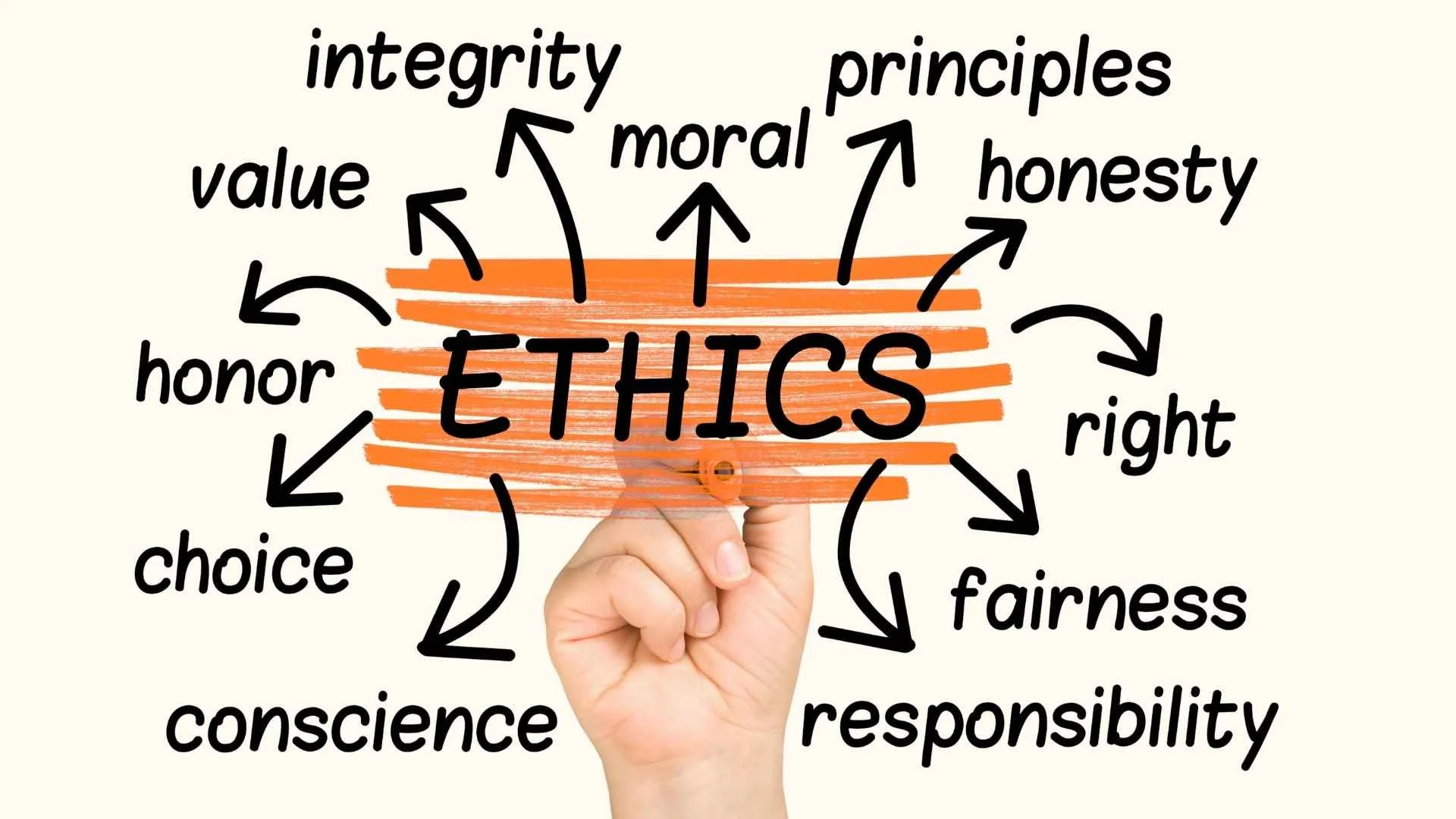
Ethical marketing agencies embed strong values in their business, prioritising data protection, honest relationships, and empathy-based campaigns that drive trust and purpose-driven customer loyalty.
What Defines an Ethical Marketing Agency?
Ethical marketing agencies do more than follow the law or donate to charity. They embed responsibility into all operations.
They consider how every decision impacts customers, employees, communities, and the environment. Transparency drives their strategies, and empathy-based marketing is at their core.
They prioritise user control over data.
They deliver fair value through transparent exchanges.
They commit to radical transparency about data practices and impacts.
Studies show 81% of people believe how a company uses data reflects how it treats customers overall.
Ethical marketing and creative agencies know that fair data use is a must.
Transparency and Data Stewardship
Transparency is the foundation of trust and successful ethical marketing.
Ethical agencies set marketing accounts (social media, email, websites) in clients’ names.
They provide full access so clients see exactly how budgets are spent and how campaigns perform.
Pricing and fees are clear from the start, with no hidden costs.
They openly communicate business practices, supply chains, and environmental impacts.
Limitations and challenges are disclosed honestly, avoiding corporate jargon or filler phrases.
Transparency directly builds trust, while secrecy breeds doubt.
Responsible Data Privacy and First-Party Strategies
Ethical agencies protect customer privacy and respect consent.
They focus on first-party data acquired directly from customers, avoiding invasive tracking.
They use data exchange models that offer valuable content or rewards for customer information.
Zero-party data (like customer preferences shared proactively) is leveraged to personalise empathetically.
Agencies comply fully with GDPR and emerging privacy laws.
Rigorous data security and regular audits ensure privacy is never compromised.
76% of consumers won’t buy from companies they don’t trust with their data, placing privacy at the heart of ethical marketing.

Ethical marketing agencies build trust through full transparency in data use, clear client ownership, and rigorous privacy protections focused on first-party and consented data strategies.
Authentic Stakeholder Governance
True ethical agencies look beyond shareholders to include all stakeholders: employees, clients, communities, and suppliers.
Many pursue B Corp certification requiring legal commitment to social and environmental goals.
They provide fair wages, health benefits, and wellbeing supports like mental health counselling and flexible holidays.
Long-term supplier relations are built on fairness, not just low cost.
Community engagement through volunteering and education is a priority.
Communication is honest and frequent with all stakeholders.
Studies show companies with strong stakeholder governance have more engaged employees and better client outcomes.
Values-Based Client Selection and Partnerships
Ethical agencies choose clients deliberately.
They avoid industries promoting harm, such as fossil fuels or exploitative labour.
They specialise in sectors like sustainability, social enterprise, or social justice.
Shared values between agency and client foster authentic campaign passion.
This selective approach attracts mission-driven talent and supports higher client satisfaction.
Purpose-driven brands grow faster and inspire loyalty, making value alignment a business advantage too.
Environmental Responsibility and Operations
Ethical agencies walk the talk on sustainability.
They measure and reduce carbon emissions from offices, travel, and supply chains.
Remote-first policies and renewable energy use are common.
Waste reduction through sustainable procurement is standard.
Many publish annual reports detailing environmental impact and improvements.
Staff are encouraged to volunteer and contribute to environmental causes.
An agency’s green policies enhance credibility with eco-conscious clients and employees alike.

Ethical marketing agencies demonstrate sustainability through carbon reduction, renewable energy use, waste minimisation, transparent reporting, and active staff engagement in environmental initiatives.
Fair Work and Employee Wellbeing
People-first employment practices distinguish ethical agencies.
Living wages, narrow pay gaps, and clear salary transparency build fairness.
Comprehensive benefits, including mental health support, improve well-being.
Flexible working models and “recharge” days promote work-life balance.
Inclusive cultures are actively nurtured with diversity programmes.
Engaged and well-supported employees tend to deliver stronger marketing results and contribute to lower staff turnover.
Honest Brand Communication and Storytelling
Ethical agencies help clients tell truthful, engaging stories.
Authentic storytelling relies on real brand values, avoiding exaggeration or manipulation.
Campaigns use inclusive imagery and avoid tokenism.
Emotional connection through narrative improves customer engagement and loyalty.
Agencies avoid fear-based tactics and focus on empowerment.
Storytelling shapes culture; ethical marketing respects this role.
Continuous Improvement and Impact Measurement
Ethical marketing is a journey with no finish line.
Agencies set measurable social, environmental, and governance goals aligned to standards like the Paris Agreement.
Progress is measured and publicly reported regularly.
Feedback loops with clients, employees, and communities drive continuous improvement.
Agencies accept imperfections and openly disclose challenges they are addressing.
Honest reflection builds lasting trust.

Ethical marketing agencies craft authentic, inclusive stories that build emotional connections while committing to transparent, ongoing measurement and improvement of their social and environmental impact.
Summary Checklist to Spot an Ethical Marketing Agency
Clear, simple language—no jargon or filler
Transparent pricing and billing
Client account ownership and reporting
Strong data privacy practices & consent-first data collecting
Fair, supportive employee policies
Environmentally responsible operations
Values-aligned client portfolios
Authentic, inclusive storytelling with empathy
Commitment to continuous, measurable improvement
Why Ethical Marketing Agencies Matter
Partnering with an ethical marketing agency isn’t just a values choice—it’s smart business.
Ethical agencies deliver emotionally resonant campaigns that build real customer loyalty. They attract top talent. They mitigate reputational risk and compliance issues. And their transparent practices boost trust and the bottom line alike.
In markets where customers increasingly demand empathy-based marketing, emotional connection, and authentic content marketing, agencies reflecting these values offer brands a critical competitive advantage.
Get more updates from Ainoa in your Google News feed.
Articles on our blog may contain content drafted with the assistance of AI tools, always reviewed and polished by Ainoa's team.
