

AINOA KNOWLEDGE BASE FOR BRAND GROWTH
Discover the power of expert perspectives in driving brand evolution. Our blog offers enriching insights into consumer psychology, marketing psychology, all things branding and marketing, behaviour science and latest innovative strategies. Expand your knowledge and fuel your brand's growth journey with Ainoa.

Influencer Marketing: How to Borrow Trust That Actually Sticks
Building a loyal customer base used to require years of consistent advertising and brand building, but influencer marketing has compressed that timeline dramatically. However, brands winning with influencer marketing in 2026 are all borrowing credibility from voices people already trust.
Which influencers in your industry could introduce your brand to thousands of potential customers already primed to trust their recommendations?

Sustainability Branding: How to Build a Sustainable Brand People Actually Trust
Sustainability branding is one of the most valuable and most abused ideas in modern branding. The problem with most sustainability branding isn’t that it’s too quiet — it’s that nobody believes it.
How to build a sustainable brand people actually trust, greenwashing-free, when consumer trust is lower than ever?

All You Need to Know about Tea Branding & What Actually Makes a Tea Brand Get Chosen
The tea market is brutally crowded, and the winning brands didn’t get there with good packaging. Virtually all tea brands claim the same two things and repeat the same brand story.
What does tea branding actually take and how build a successful tea brand?

Gen Z Consumer Behaviour: What Brands Keep Getting Wrong
Gen Z supposedly values authenticity above everything. But they also spend money on Stanley cups, Skims, and whatever is trending this week.
In this article, Tove Björk — who is Gen Z — looks at the contradictions honestly and explains what Gen Z brands actually need to understand.

How to Build a Brand: The 7-Phase Process That Actually Converts
Brand-building is not a single one-off project. It is at least a seven-step process, and most businesses skip several steps, then wonder why the brand does not hold together.
But what each phase involves and why the order matters?

Psychographic Segmentation: Your Audience Is More Than Their Postcode and Age
Two people. Same age, same city, same income. Completely different consumers. Demographics explain the surface, psychographics explain the why beneath it.
But how values, identity, and lived experience are the audience data points that actually predict behaviour?

When Does a Scaling Business Need a Brand Strategist?
A brand designer creates the visual identity. A copywriter writes the words. A brand strategist determines what both should be saying and why. Most businesses confuse the three and commission the wrong one for the problem they actually have.
But when a scaling business genuinely needs a brand strategist, what should they look for when hiring one?

How to Build a Brand: Start With Psychology, Not a Logo
Most brands were built backwards. Design first, strategy never. A brand that starts with a logo is a brand that will need to be rebuilt. Building a brand properly is a psychological project, and the visual work comes last.
What does that actually mean in practice?

Brand Archetypes & Psychology: Why Some Brands Feel Like Characters
Brands like Duolingo, Patagonia and Apple all feel to have almost a human-like personality.
But what makes a brand feel like a character rather than a company — and why do some brand personalities connect deeply while others feel hollow?

Brand Strategy vs. Marketing Strategy: The Confusion Costing You Sales
Businesses that are frustrated with their marketing performance often have a brand problem, not a marketing problem. The confusion between brand strategy and marketing strategy is not only a terminology issue, but a commercially costly mix-up.
But how can you tell which one is costing you sales, and why you cannot fix marketing without fixing the brand first?

What Is Consumer Trust, How It Forms, And Why It Is the Foundation of Brand Equity
Trust is the one brand asset that cannot be bought, designed, or simply announced. It’s built through repeated experiences that confirm expectations. It can also often be destroyed, even permanently, through a single experience that contradicts them.
But how is the consumer's trust actually built, and how does it work?

Cognitive Dissonance in Marketing: How Inner Conflict Shapes Buying Decisions and Brand Loyalty
The moment after a purchase is made is one of the most psychologically active moments in consumer behaviour. Cognitive dissonance explains why people justify expensive decisions, why loyalty can strengthen after a difficult product experience, and why what a brand says after the sale matters as much as what it says before.
Is your brand’s purchase journey built from a psychological perspective deliberately or accidentally?

How to Use Behavioral Economics in Marketing and Full Definition With Practical Examples
Traditional economics assumes people make rational decisions. Then came behavioural economics, which looked at what people actually do, and found something much different.
But what is behavioural economics exactly, and how to apply its core theories in marketing and brand strategy?
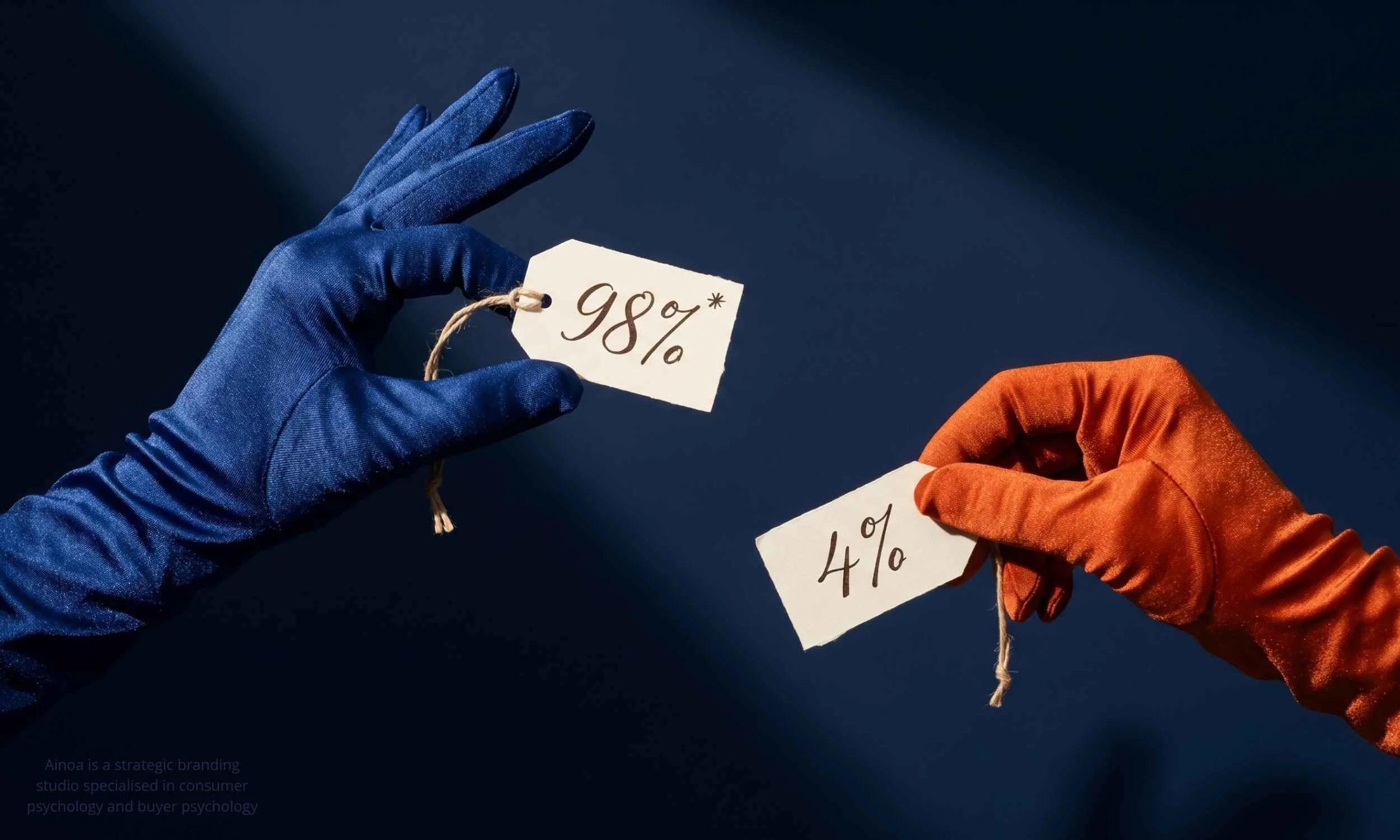
Brand Positioning: How Buyers Decide What You're Worth Before You Say a Word
The price a buyer is willing to pay is set before they see your price. The research on this is uncomfortable: a random number, seen once, moves real bids by a factor of three. First impressions don't just shape perception — they anchor it.
What did your brand teach your buyers to expect, the first time they found you?

What the Gymshark x Bratz Flop Actually Tells Us About Marketing to Women in Fitness
Before the Gymshark x Bratz collection launched, the comments were full of “just take my money.” Then it dropped — seamless sports bras and leggings in new colours — and the same community that had been ready to pay turned around and told Gymshark exactly what it should have made instead.
What does a backlash this specific reveal about Gen Z nostalgia, women as a fitness audience, and what happens when a brand assumes it's still doing the talking?
How Much Does Branding Cost? An Honest 2026 Analysis
Branding can cost $50 or $50,000+. The price range is that wide because what's being sold varies just as dramatically. Before you decide how much to spend, it's worth understanding what you're actually buying at each level and what the cost of getting it wrong looks like.
What does your business actually need right now?
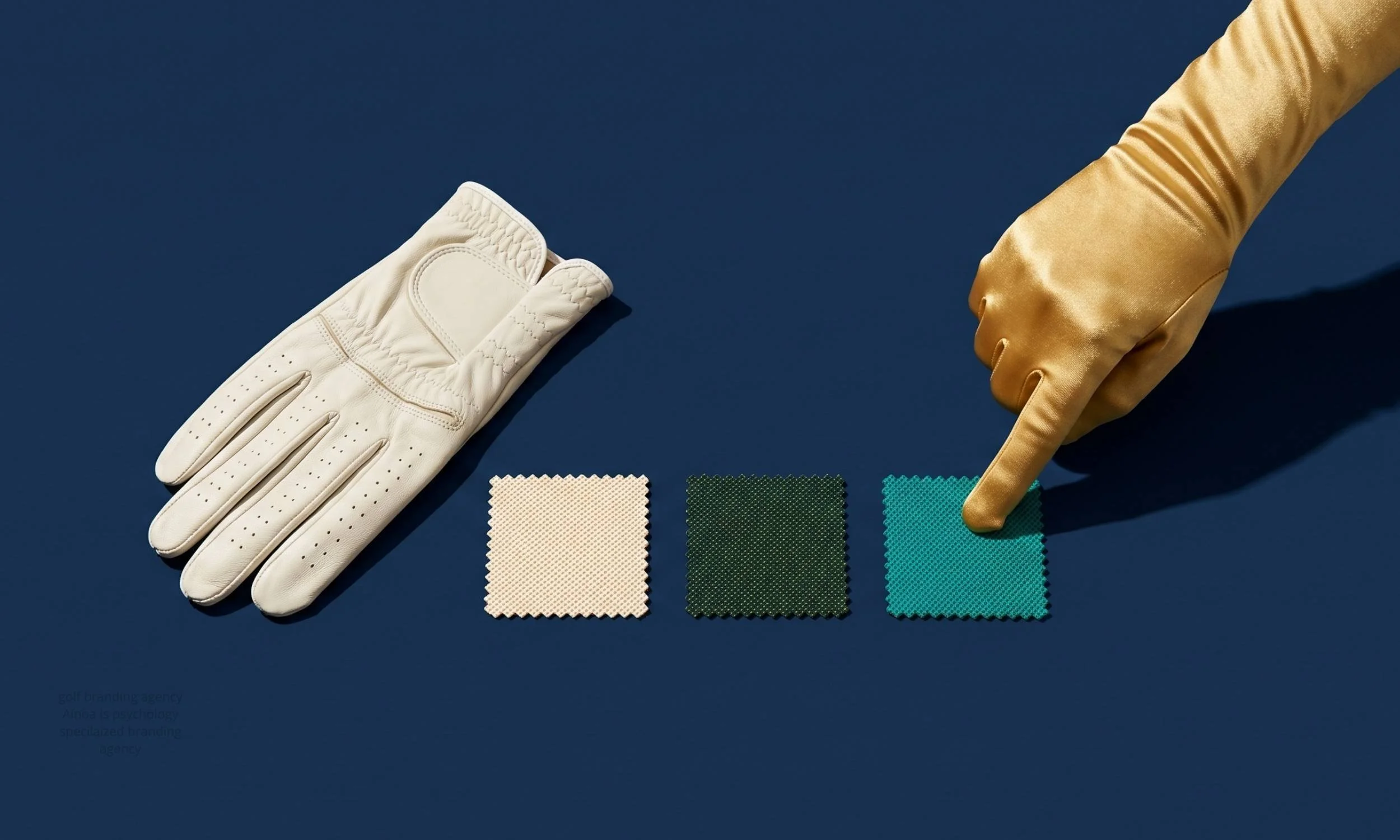
Golf Branding in 2026: What the New Generation of Golf Brands like Malbon & Eastside golf do Right
If you want to understand where golf branding is going, stop studying legacy brands and study the ones that are taking their market share. Brands like Malbon and Eastside Golf have fundamentally changed what golf looks like to a generation that had never seen themselves in it before.
But what exactly did they get right, and why does their approach work?

What is Branding and Brand Identity, and What Are the Main Components of Visual Brand Identity?
This might surprise you, but a logo is not a brand identity, and a brand identity is not branding. Branding is not something a designer delivers — it's something a business earns over time.
But what do these terms actually mean, and what do the components of a strong visual brand identity really involve?

The Art of Brand Storytelling and the Psychology Behind Stories That Sell
Humans have been telling stories for as long as there have been humans. The brain processes narrative differently from facts — with more activation, stronger memory, and more emotional engagement.
But are you familiar with the cognitive mechanisms behind storytelling? And why do some brand stories sell, and some just… don’t?
Why Invest in Branding: What It Actually Costs to Get It Right — and What It Costs to Get It Wrong
Most founders and early-stage companies view branding as a one-time cosmetic expense. However, branding is a financial asset that determines whether your marketing converts, your pricing holds, and your customers stay. Companies with consistent branding report 10–20% higher revenue growth, yet many businesses continue to build on weak foundations that cost significantly more to fix later.
What does it actually cost your business to stay invisible in a market that demands trust before every purchase?