How to Build a Brand Identity That Lasts
Quick summary: Brand Identity
A brand identity defines how your audience recognises and connects with you.
Strong identities grow from strategy, not visuals alone.
Research, consistency, and emotional intelligence are core to brand success.
Common pitfalls include copying competitors or neglecting internal alignment.
Ainoa’s approach blends psychology, design, and strategy to build lasting brands.
A strong brand identity doesn’t happen by accident. It’s built deliberately from strategy, research, and an understanding of human behaviour. Your brand’s identity shapes how people recognize you, remember you, and decide whether to trust you.
At Ainoa, we help businesses develop brand identities that feel human and strategic in equal measure. If you’ve ever wondered what goes into the process and how to make it work for you, you’re in the right place.
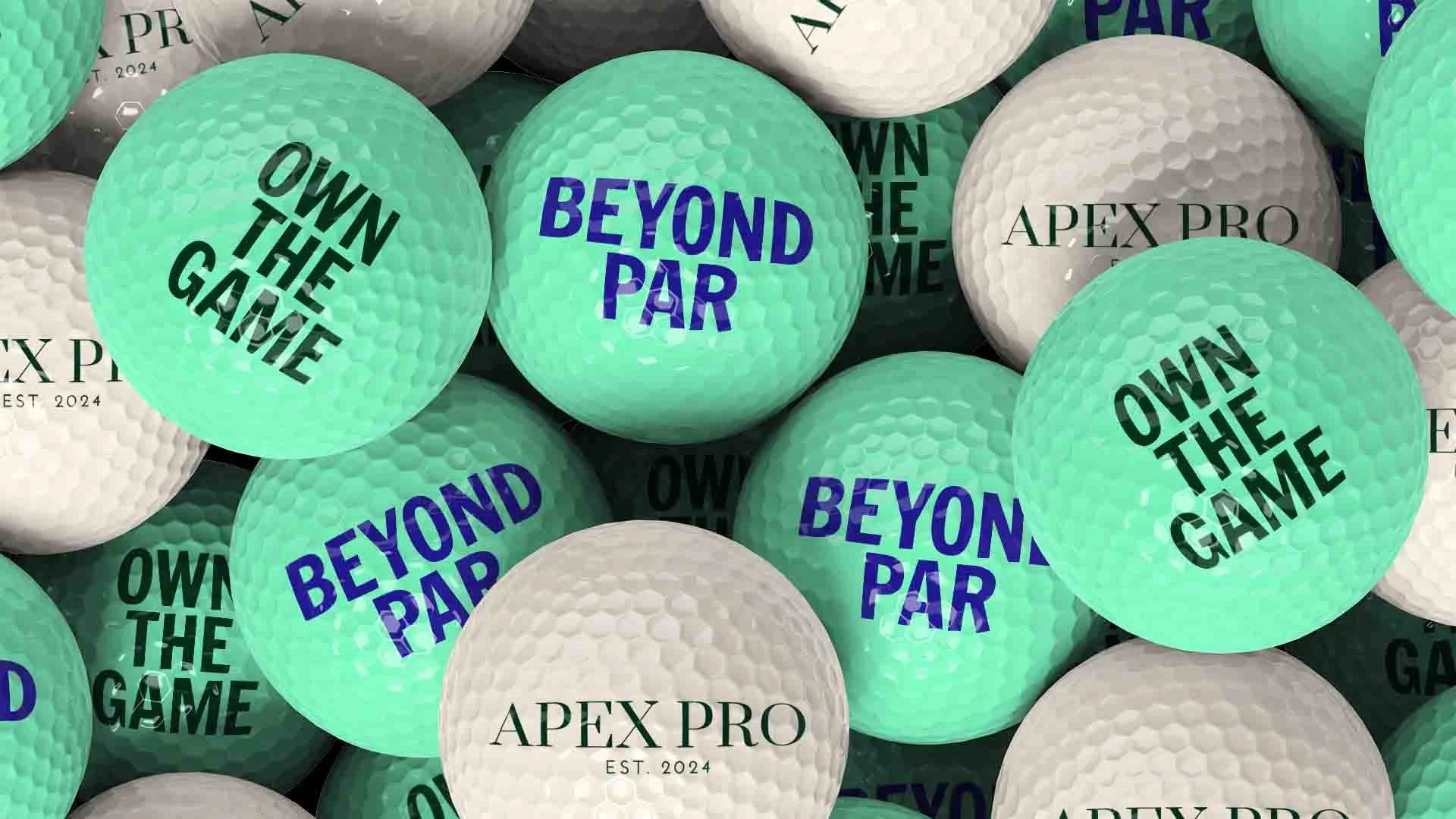
Apex Pro’s brand identity was designed around a clear buyer profile, ensuring every detail speaks to the audience it was created for.
What Brand Identity Really Means
Your brand identity is the collective expression of how you’re perceived as a company. The logo, color palette, typography, and imagery make you recognisable visually, but also the brand voice, values, and tone that shape how you’re perceived.
A good brand identity translates business strategy into something people can feel. Well-built identity becomes the foundation for brand loyalty. When everything aligns (visual cues, messaging, values), the audience begins to recognise you at a glance.
For example, we analysed how Hershey builds loyalty through emotional consistency and trust across decades. This must-read article shows how identity and loyalty are deeply connected.
A well-defined identity builds recognition, supports trust, and gives your team a shared sense of direction. Without a clear identity, even great products struggle to be remembered.
What Brand Identity Development Services Include
Comprehensive brand identity development services often combine research, strategy, and design to help businesses define who they are and how they are perceived.
While every branding agency approaches it differently, a full brand identity process typically includes five key elements:
Research and Discovery
Understanding your market, competitors, and audience is the foundation. This stage defines what makes your brand different: its unique value, voice, and personality.Brand Strategy
Brand strategy translates business goals into a clear brand promise, personality, and tone of voice. The result is a positioning framework that guides every future decision.Visual Identity Design
Visual identity transforms strategy into a visually recognizable form through logos, colors, typography, iconography, and imagery systems. The goal is coherence: each visual element supports your intended message and emotional impact.Verbal Identity
Your brand voice expresses who you are through language. It defines how you sound in social media posts, websites, and customer conversations. For example, your brand’s voice could be calm, confident, friendly, or authoritative — depending on what fits your audience best.Brand Guidelines and Rollout
Guidelines document how all elements work together. The main goal for the brand guidelines is to ensure consistency across every channel, from digital to print. Implementation may also include templates, training, and internal brand alignment workshops.
How Ainoa Does Brand Development Differently
At Ainoa, we believe strategy and design alone aren’t enough. A truly effective brand identity must be grounded in human understanding. That’s why our approach adds a layer that most agencies overlook: emotional intelligence, empathy, neuromarketing and psychology.
Our process includes everything above, but we go further through:
Bespoke Frameworks and Brand Empathy Mapping
We use proprietary frameworks developed in-house to analyse emotional patterns, decision-making psychology, and behavioural triggers. This gives our clients a deeper understanding of why audiences connect — not just how.Psychology-Based Design Systems
Every color, font, and layout choice is supported by cognitive research. We design beautiful identities that evoke trust, recognition, and emotional resonance.Strategic Linguistics and Voice Psychology
Our brand voice process draws from psycholinguistics to create language that feels authentic and emotionally precise. We ensure your brand doesn’t just speak, but it’s also heard.Emotion Validation Testing
Before final delivery, we test how audiences feel when interacting with your brand identity. This ensures your strategy aligns with real human response, not internal assumptions.
Everything Ainoa builds is backed by behavioural science, emotional intelligence, and research. Giving our clients a psychological edge that standard branding approaches simply don’t deliver is our life’s work.
When your brand chooses to work with Ainoa, you get more than a strong identity. You get an entire brand ecosystem that people instinctively trust and remember.
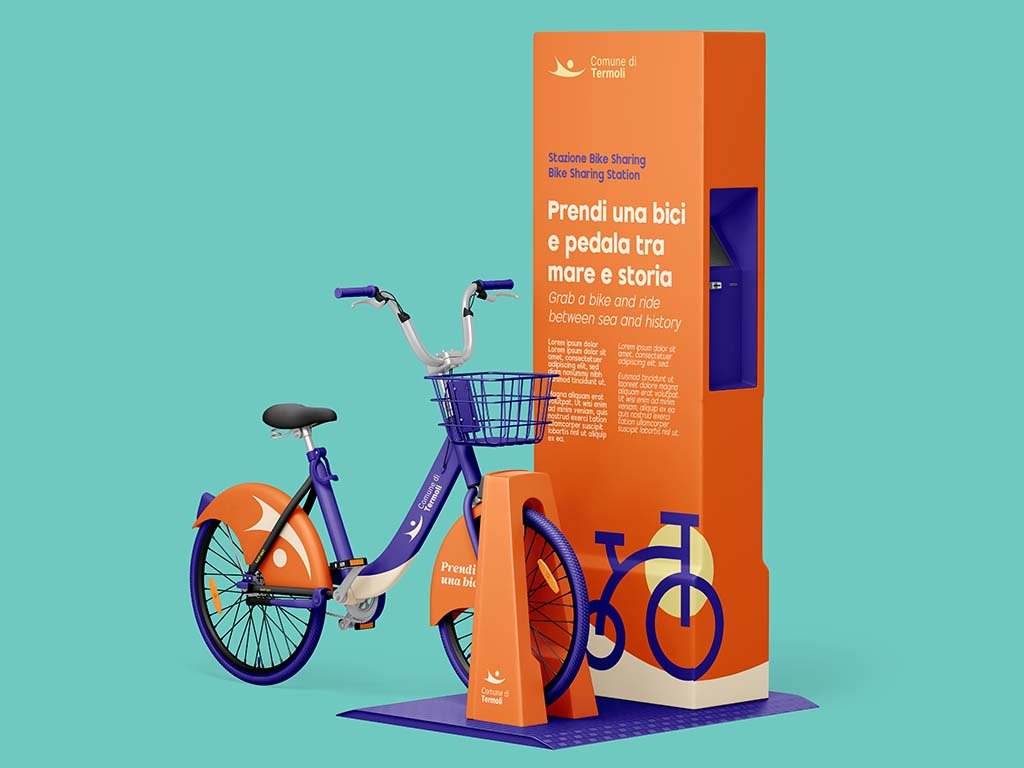
Real-world applications through mockups reveal whether a brand identity has been built with psychology, usability, and environmental context in mind.
Why a Strong Brand Identity Drives Growth
You might have seen claims like “consistent branding increases revenue by 23%” or “brand identity boosts profit by 33%”. We traced the origins of these numbers, most of which lead not to academic research but to marketing blogs and agency websites repeating the same unverified statistics.
In reality, while the exact percentages often quoted are questionable, credible academic and institutional studies still confirm one thing beyond doubt: strong, consistently managed brands outperform weak or inconsistent ones — financially, strategically, and psychologically.
What the Evidence Actually Shows About Branding ROI
Unlike these randomly recycled figures often found online, the studies below represent decades of validated research across finance, marketing, and behavioural science.
Harvard Business Review/WARC (2023): A study of 4,000 brands by Jim Stengel (ex-P&G CMO) and academics from Wharton and BERA Brand Management found that brands increasing equity by just 4 % (with 0.8 % of revenue invested) achieved:
+1 % additional annual revenue growth
+1.5 % annual shareholder-value growth
1.3 × revenue ROI on branding investment
Kantar BrandZ (2006–2025): Two decades of longitudinal data show that portfolios of strong brands outperformed the S&P 500 by 88 % and the MSCI World Index by 251 %. Even during crises (2008, 2020), strong brands proved more resilient and recovered faster.
System1 & IPA Databank (2024): Analysing 30 years of effectiveness data, the most consistent brands achieved 28 % more large business effects, including sales, profit, and market-share gains. Over five years, they created £3.3 billion in extra value and nearly doubled profit growth compared to inconsistent peers.
Simon & Sullivan (1993) and Barth et al. (1998): Early financial-market studies demonstrated that brand equity significantly boosts firm valuation and stock-market returns, even after controlling for tangible assets.
Fischer & Himme (2017): Found that customer-based brand equity directly improves a company’s financial resources, reducing credit risk and increasing leverage capacity.
Dorfleitner et al. (2019): A longitudinal study of Interbrand’s top companies found that strong brands outperformed their markets by an average of 0.43 % per month. This provides a 5–10 % annual advantage after risk adjustment. During downturns, this margin nearly doubled to 0.80% per month, demonstrating that brand equity also cushions companies during economic stress.
What All of These Numbers Mean for Business Leaders
The consensus across these credible studies is clear:
Brand equity is a financial asset, not a marketing accessory.
Strong brands deliver long-term shareholder returns, higher pricing power, and lower customer-acquisition costs.
Consistency compounds value over time, acting as an economic multiplier across every touchpoint — from perception to purchase.
Weak or inconsistent branding forces companies to spend more for the same results, eroding profit margins and trust.
While the true ROI of branding varies by industry and maturity, the evidence shows a consistent pattern: branding drives measurable financial outperformance — not through instant sales, but through durable competitive advantage.

Colors and fonts are only the surface. A consistent identity builds brand equity — a financial asset that compounds over time.
How to Build a Strong Brand Identity
Building a brand identity essentially means designing to communicate your brand’s meaning and to control perspective. The process works best when approached systematically:
Understand your audience deeply.
Move beyond demographics. Learn what motivates and frustrates them, what stories they respond to, and what emotions drive their choices.Define your strategy before design.
A clear brand strategy is the blueprint. It outlines your positioning, values, and promise — the logic behind every visual and verbal choice.Design for emotion and clarity.
Choose colours and typography that match your message. A minimalist design can feel calm and premium; bold contrast can suggest energy or innovation.Develop a consistent voice.
Your tone should match your personality. Calm, intelligent, witty — whatever it is, keep it consistent across emails, ads, and conversations.Document and apply everything.
Brand guidelines protect coherence. They’re living documents that evolve as you do, ensuring your brand stays recognisable even as it grows.Measure and refine.
Collect feedback through analytics, surveys, or A/B testing. Adapt when audiences or markets shift — small adjustments keep identities alive.
Common Mistakes and How to Avoid Them
Many businesses treat branding as a design sprint rather than a strategic project. The most common mistakes include:
Starting with visuals, not strategy. Without a clear purpose, a logo is decoration, not direction.
Copying competitors. What works for others won’t make you memorable — it only hides your difference.
Ignoring internal alignment. If your team can’t explain your brand, customers won’t understand it either.
Inconsistency. Changing colours, tone, or logo styles across channels weakens recognition and trust.
Ainoa’s process is designed to prevent these issues by linking every design decision back to audience psychology and strategic goals.

Most brands leap straight into logos. Here, psychological insight shaped the identity first — making each culinary creation personal, valued, and harder to waste.
How Ainoa Builds Psychology-Driven Identities
At Ainoa, we believe a brand identity should feel as intelligent as it looks. That’s why we build from psychology outward — understanding how people perceive, decide, and emotionally connect.
We start with research into audience motivation and perception, then translate those findings into design language: logos, colours, and brand voice that align emotional cues with strategic intent.
This method helps brands appear consistent, trustworthy, and relatable — qualities that create long-term equity rather than short-term recognition.
Our work bridges analysis and empathy. It’s creative, but it’s also measurable: every design choice supports recall, conversion, and loyalty.
Conclusion: Strategy First, Design Second
A lasting brand identity isn’t just a logo and colors or a clever tagline. Brand identity is a system that expresses who you are — clearly, consistently, and memorably.
When you invest in brand identity development services, you’re investing in clarity: a framework that makes every marketing decision easier.
At Ainoa, we help brands discover their authentic voice, craft intelligent design systems, and communicate with empathy. The result is an identity that gets the attention and earns recognition and trust.
Ready to create a brand identity built to endure?
Let’s have a chat.
Get more updates from Ainoa in your Google News feed.
Articles on our blog may contain content drafted with the assistance of AI tools, always reviewed and polished by Ainoa's team.