

AINOA KNOWLEDGE BASE FOR BRAND GROWTH
Discover the power of expert perspectives in driving brand evolution. Our blog offers enriching insights into consumer psychology, marketing psychology, all things branding and marketing, behaviour science and latest innovative strategies. Expand your knowledge and fuel your brand's growth journey with Ainoa.
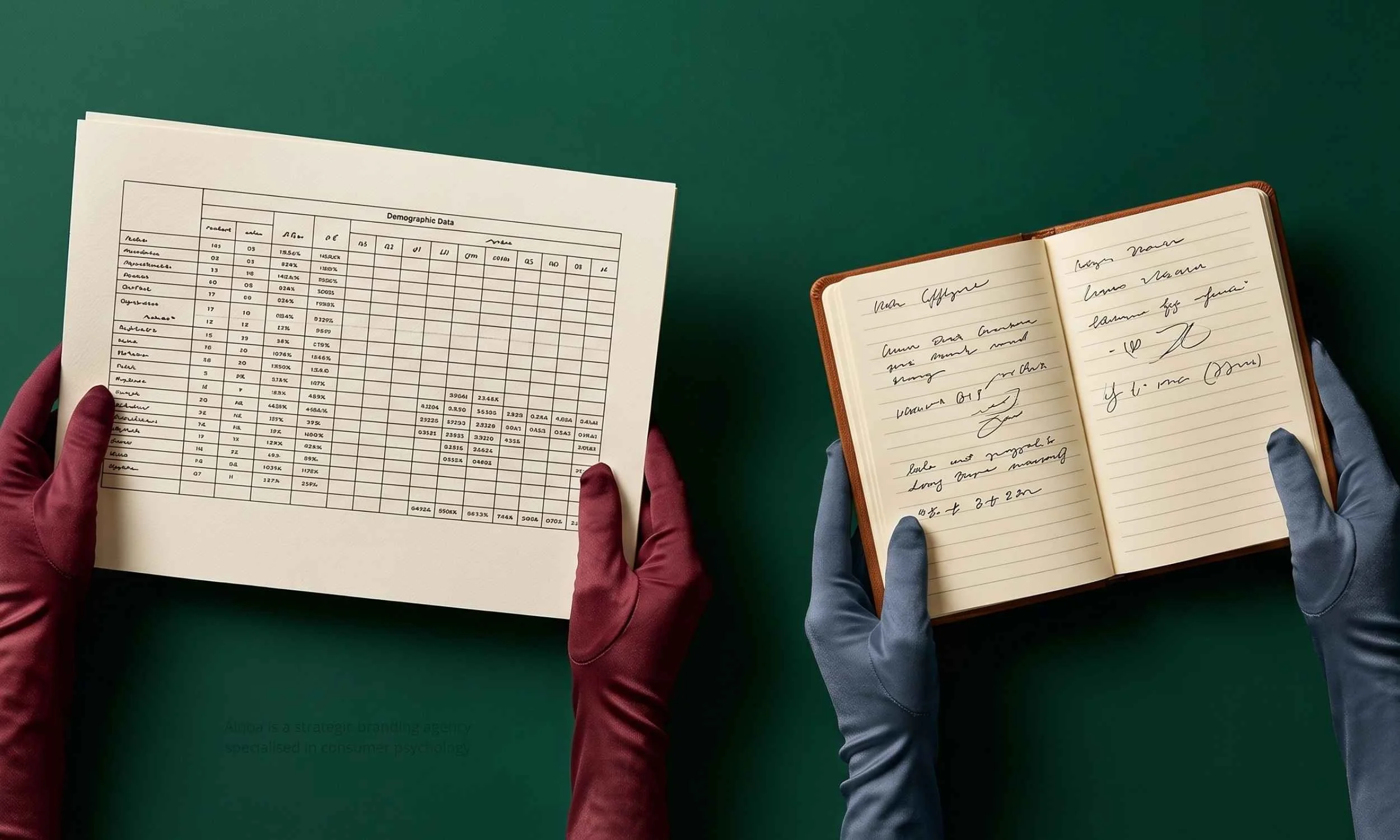
Psychographic Segmentation: Your Audience Is More Than Their Postcode and Age
Two people. Same age, same city, same income. Completely different consumers. Demographics explain the surface, psychographics explain the why beneath it.
But how values, identity, and lived experience are the audience data points that actually predict behaviour?

When Does a Scaling Business Need a Brand Strategist?
A brand designer creates the visual identity. A copywriter writes the words. A brand strategist determines what both should be saying and why. Most businesses confuse the three and commission the wrong one for the problem they actually have.
But when a scaling business genuinely needs a brand strategist, what should they look for when hiring one?

Cognitive Dissonance in Marketing: How Inner Conflict Shapes Buying Decisions and Brand Loyalty
The moment after a purchase is made is one of the most psychologically active moments in consumer behaviour. Cognitive dissonance explains why people justify expensive decisions, why loyalty can strengthen after a difficult product experience, and why what a brand says after the sale matters as much as what it says before.
Is your brand’s purchase journey built from a psychological perspective deliberately or accidentally?

How to Use Behavioral Economics in Marketing and Full Definition With Practical Examples
Traditional economics assumes people make rational decisions. Then came behavioural economics, which looked at what people actually do, and found something much different.
But what is behavioural economics exactly, and how to apply its core theories in marketing and brand strategy?
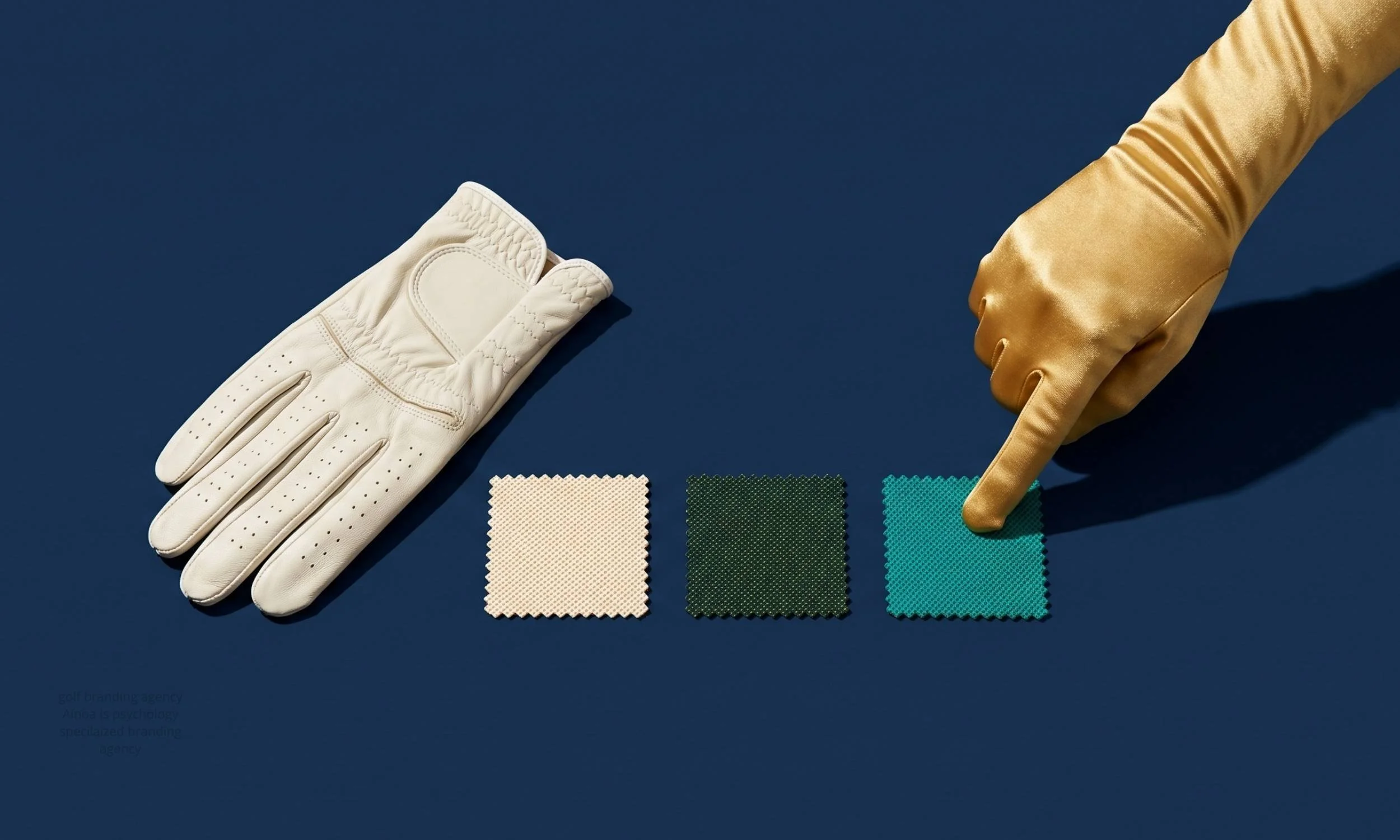
Golf Branding in 2026: What the New Generation of Golf Brands like Malbon & Eastside golf do Right
If you want to understand where golf branding is going, stop studying legacy brands and study the ones that are taking their market share. Brands like Malbon and Eastside Golf have fundamentally changed what golf looks like to a generation that had never seen themselves in it before.
But what exactly did they get right, and why does their approach work?

What is Branding and Brand Identity, and What Are the Main Components of Visual Brand Identity?
This might surprise you, but a logo is not a brand identity, and a brand identity is not branding. Branding is not something a designer delivers — it's something a business earns over time.
But what do these terms actually mean, and what do the components of a strong visual brand identity really involve?

The Art of Brand Storytelling and the Psychology Behind Stories That Sell
Humans have been telling stories for as long as there have been humans. The brain processes narrative differently from facts — with more activation, stronger memory, and more emotional engagement.
But are you familiar with the cognitive mechanisms behind storytelling? And why do some brand stories sell, and some just… don’t?
Why Invest in Branding: What It Actually Costs to Get It Right — and What It Costs to Get It Wrong
Most founders and early-stage companies view branding as a one-time cosmetic expense. However, branding is a financial asset that determines whether your marketing converts, your pricing holds, and your customers stay. Companies with consistent branding report 10–20% higher revenue growth, yet many businesses continue to build on weak foundations that cost significantly more to fix later.
What does it actually cost your business to stay invisible in a market that demands trust before every purchase?
How to Apply Psychological Pricing Strategies in Your Business & How Price Perception Works
A price is never “just a number”. It is information the brain uses to assess quality, fairness, social status, and risk. Pricing also links more directly to your brand and messaging strategies than you realise. Pricing psychology research shows that how a price is presented, positioned, and framed changes what people are willing to pay — often significantly.
But how to apply the psychology of pricing strategically?
How to Start a Golf Brand: Identity, Packaging and Web Store from Scratch
Most founders who start a golf brand spend their first budget on a logo and a Shopify template, then wonder why nothing is converting. The problem is never the logo. It is everything that should have come before it, and that nobody told them to do first.
How to build a golf brand that actually sells, and why the psychology behind “why” actually matters more than most founders expect?

What Is Sensory Marketing and How to Create Unforgettable Brand Experiences for all senses
We all already know brands need to look good and speak to the right audience to make sales. But what does your brand smell like? What does it sound like? What does it feel like to hold? Sensory marketing is a marketing discipline of designing brand experiences for other senses than vision.
Research shows senses shape buying decisions more than most brands realise, but how do you sell for all senses?

Branding 101: How to Build an Unforgettable Brand
Most businesses believe branding begins and ends with a logo, but a visual identity is only the tip of the iceberg. At its core, a brand is a psychological promise: a sum total of every emotional and rational association a customer forms with your business.
So, how do you build a strong brand that doesn't just get noticed, but truly stays in the hearts and minds of your loyal customers?

The Psychology of Impulse Buying: What Triggers Unplanned Purchases and What It Means for Your Brand
Somewhere between entering a shop and reaching the till, a purchase decision gets made that wasn't planned. Impulse buying is one of the most studied phenomena in consumer psychology, and one of the most misunderstood.
But what actually triggers it in retail and ecommerce, and what does it mean for how brands are designed?

How Branding Works: The Psychology Behind Why People Choose One Brand Over Another
Most people think branding is what a company looks like. While in reality, branding is a strategic, commercial ecosystem rooted in psychology that shapes whether people understand your value — and whether they choose you over everyone else.
How does branding actually work, and why do some brands become a repeat choice while others just create noise?

Golf Branding in 2026: How Modern Brands Are Leaving the Country Club Behind
Most golf brands look exactly like every other golf brand. Same lazy greens, same cream, same inherited boring prestige that only means something to the people who already play. The sport is changing faster than its visual language is, and the founders who understand that first will own a generation of customers.
What does a golf brand actually need to do differently in 2026, and why do so few of them bother?

What Is AI Copywriting? Why Tone of Voice Still Determines Whether AI-generated messaging Works (Updated for 2026)
We all know by now that AI can generate words. It can fill a page, hit a word count, and technically answer a brief. Whether those words sound like your brand, carry your voice, your perspective, your particular way of talking to your customers, is an entirely different question.
Why does having a human-made tone of voice and messaging strategy matter now more than ever?

What is Branding? The Complete Guide to Building a Brand That Lasts (Updated for 2026)
Businesses that treat branding as an expensive decoration find themselves constantly battling on price alone. Building a recognizable brand takes time and commitment, but the alternative — being invisible in a crowded marketplace — is far more expensive.
What does your brand actually communicate to the people you are trying to reach, before they have spoken to you or used your product once?

Startup Branding Services: When They're Worth It, When They're Not, and How to Choose
Most startups either invest in branding too early or wait until the damage is already expensive to fix. The branding industry isn't always honest about which category you fall into, so we wrote the guide we wish every founder had before making that decision.
When is a startup actually ready to invest in branding, and what happens to the ones that get it wrong?

The Psychology of Branding: How to Build a Strong Brand and Create Loyal Customers
Most businesses think branding is about how they look. However, the brands that create genuinely loyal customers aren't the ones with the biggest budgets or the most recognisable logos. They're the ones that understood, early on, that branding is a psychological act.
What would it mean for your business if 43% more of your customers chose to spend more, simply because they felt understood?
Branding for Startups: Why Your Logo Is the Last Thing You need
Most startup founders treat the logo as the starting point. It isn't. It's the last decision in a long chain of strategic ones that most startups struggle to make. The startups that come to us having already launched often share the same story: a patchwork identity, a drifted audience, and a funding pitch that couldn't communicate its own value clearly.
What does it actually cost to get branding wrong early — and when is it already too late to fix it cheaply?