
The Co-Creation Revolution: How IKEA on Roblox Redefines Brand Empathy
IKEA’s “The Co-Worker Game” on Roblox changed digital marketing and customer experience for the better. It proved that winning in the metaverse requires so much more than active participation, and not just passive ads. By offering paid virtual jobs and utilizing an immersive environment for co-creation, IKEA bridged the gap between physical stores and digital identity. This set a new gold standard for empathy-driven marketing in virtual spaces.
For years, many companies treated the metaverse as a high-tech playground for gamers and nerds alike. However, McKinsey & Company reported that the metaverse could create up to $5 trillion in value by 2030. The brands that will win in this space won’t be the ones that just “show up”, but those that understand the human need for connection, agency, and purpose in the metaverse.
IKEA’s move into Roblox—a platform with over 70 million daily active users—is not just a clever PR stunt. It is a genius move in marketing psychology. By inviting users to work and create rather than just shop, IKEA is met the expectations of Gen Z and Gen Alpha and adapting their strategies to meet their needs.
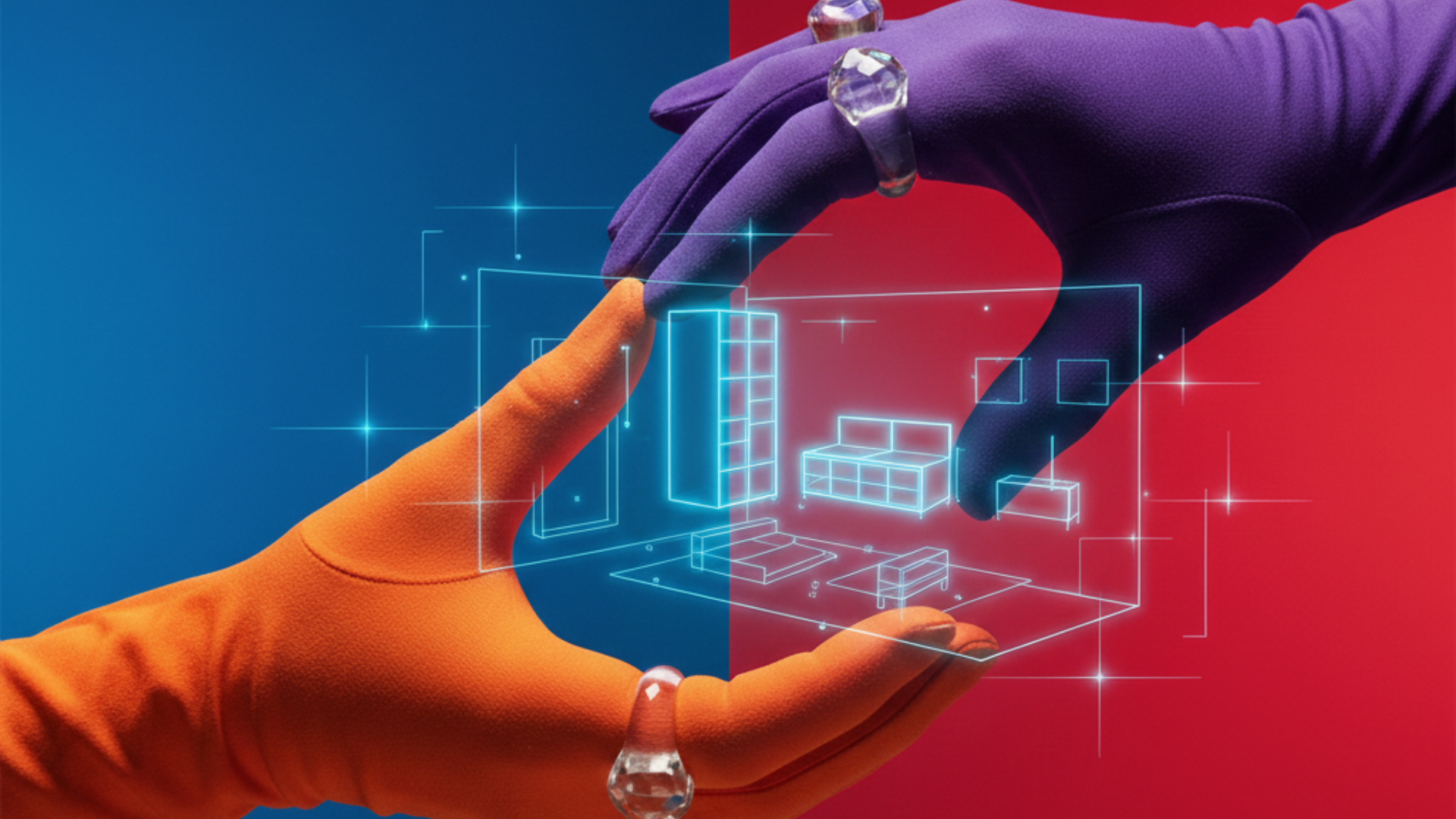
IKEA’s Roblox initiative demonstrates a shift in marketing by replacing passive ads with immersive co-creation and paid virtual experiences.
What is IKEA’s "The Co-Worker Game" on Roblox?
In June 2024, IKEA launched “The Co-Worker Game” on Roblox. Unlike a typical brand minigame that feels like a commercial done in 3D, this project lets players actually live out the IKEA culture themselves.
What stood out the most was that IKEA offered ten paid virtual jobs to players in the UK and Ireland. These weren't "play-to-earn" credits; they were real, contracted positions paying the London Living Wage. This is a perfect example of brand empathy. IKEA met its audience where they already spend their time and offered them real-world value.
For IKEA, Roblox is a “career showroom”, allowing them to show off its flat management style and people-first values to a young generation that cares deeply about work-life balance and authentic company culture.
Why IKEA’s Roblox Strategy Matters for Your Marketing
The success of this campaign isn't accidental or random, but it is rooted in important psychological drivers. To understand why, we have to look at a psychological phenomenon known as the IKEA Effect.
Originally identified in a landmark study by the Harvard Business Review, the IKEA Effect is a cognitive bias where people place a higher value on products they helped create. We used a similar principle for our work on Chutney Castle to change behaviors behind wasting food.
For decades, IKEA used this in the physical world: by making you turn the Allen wrench and assemble your own Malm dresser. This doesn’t save labor costs for IKEA, but they were making you love the dresser more because your own effort was contributed towards the final product. (We’ve probably all been there at some point in our lives, staring proudly at our “own” IKEA builds.)
The Digital Evolution of Co-Creation
So, IKEA took the same principle to Roblox and came up with the “Co-Worker Game,” where the labour has shifted from physical assembly to online contribution. When a user designs a virtual living room, they are investing effort equity" into the brand. This is a critical lesson for marketers to learn from:
From Assembly to Agency: In the physical store, you follow a manual. In Roblox, you follow your imagination. This shift from instruction to agency creates an even stronger emotional bond.
The Power of “I Built This”: Research from the University of Oxford suggests that the sense of competence and achievement found in games directly improves mental well-being. By giving users a place to work and build, IKEA is facilitating a dopamine hit that users then associate with the IKEA logo.
Closing the Loop: This digital effort creates a halo effect for physical products. If a teenager spends ten hours building a dream home in Roblox using IKEA assets, they are forming a deeper neurological bond with those products than they ever would by scrolling through an Instagram ad.
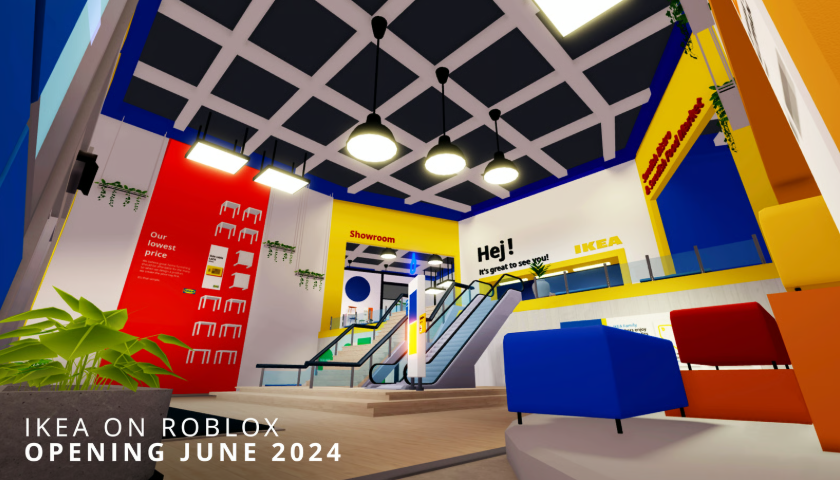
IKEA successfully replicated the infamous IKEA effect from physical world to a digital world.
Applying the IKEA Effect to Your Brand Strategy
Most brands fail in digital spaces because they try to do all the work for the consumer. They provide a finished, polished experience that requires zero effort. But the IKEA Roblox strategy teaches us that friction can be a feature. By intentionally leaving space for the customer to contribute—whether through virtual labor, community feedback, or co-designing products—you move the consumer from a passive observer to an active participant.
As McKinsey’s 2024 reports on consumer psychology suggest, "emotional durability" is the new currency of retail. You don't get that durability through a 30-second ad; you get it through the shared effort of building something together.
The Human Impact: Solving the Loneliness Epidemic
Besides of the psychology of building something for yourself, there is also a social element at play. Social isolation is a growing problem in Western and well-developed societies. Research from the University of Bath shows that digital social spaces can help young people feel less lonely if those spaces focus on working together.
By creating a virtual store where players help each other, IKEA provides a sense of community that feels useful, not just distracting. According to a 2026 Deloitte Digital Media Trends report, 70% of Gen Z gamers go into virtual worlds to hang out and socialize, not just to "beat the game." IKEA’s Roblox store understands that their both modern and future customers want to participate in a brand’s story.
Proving Values Through Action
Younger consumers are also very skeptical of “corporate speak”. A 2023 Edelman Trust Barometer study found that 63% of people buy brands based on their beliefs. By paying a real wage for digital labor, IKEA isn't just saying they care about their workers, but they are proving it in a place where their future employees are already hanging out.
How to Build Empathy-Driven Marketing in Your Business
At IKEA, Nordic values are heavily in use. The focus is on simplicity, equality, and human-focus to build brand strategies. The best part (in my opinion) is that you don't need IKEA's massive marketing budget to use these ideas. Here is how to start:
1. Put Usefulness Over Novelty
Many brands fail in the metaverse because they focus on making things just “cool.” But how does that involve your audience? Instead, ask: “How does this help my community or make their day better?” IKEA solved the problem by making an interactive game for their audience that uses and understands their core values of “build it yourself.”
2. Be Completely Transparent
The hiring for IKEA’s Roblox jobs was just as serious as hiring for a physical store. This makes the experience feel real and prestigious. As LinkedIn’s 2025 Workplace Learning Report shows, younger generations want to learn new skills in everything they do. IKEA built a space for their audience to learn how to be employed online.
IKEA took the hiring process as seriously as staffing a physical store. By requiring formal applications and conducting professional interviews, they signaled to their audience that digital labour has real-world value.
The same LinkedIn Workplace report highlights that younger audiences also look for opportunities to build marketable skills even within their hobbies. By creating a high-stakes, realistic working environment, IKEA demonstrated empathy for the career aspirations of its youngest fans, proving that the brand is a partner in their personal growth, not just a place to buy a desk.
3. Let the User Lead
True brand empathy requires a shift in the power dynamic. In a traditional marketing model, the brand is the “teller” and the consumer is the “listener.” The IKEA Roblox strategy flips this script, and this is one of the reasons why IKEA’s presence in Roblox is interesting. By providing the tools—the digital furniture, the bistro kitchen, and the floor space—IKEA allows the user to become the “maker.”
This is the ultimate application of the IKEA Effect: when you stop trying to control every part of the brand experience and instead provide the resources for your community to build their own, the emotional "buy-in" becomes unbreakable. When a user spends hours perfecting a digital layout, they aren't just playing a fun online game, but building a lifelong relationship with the brand by familiarizing themselves with the world of IKEA.
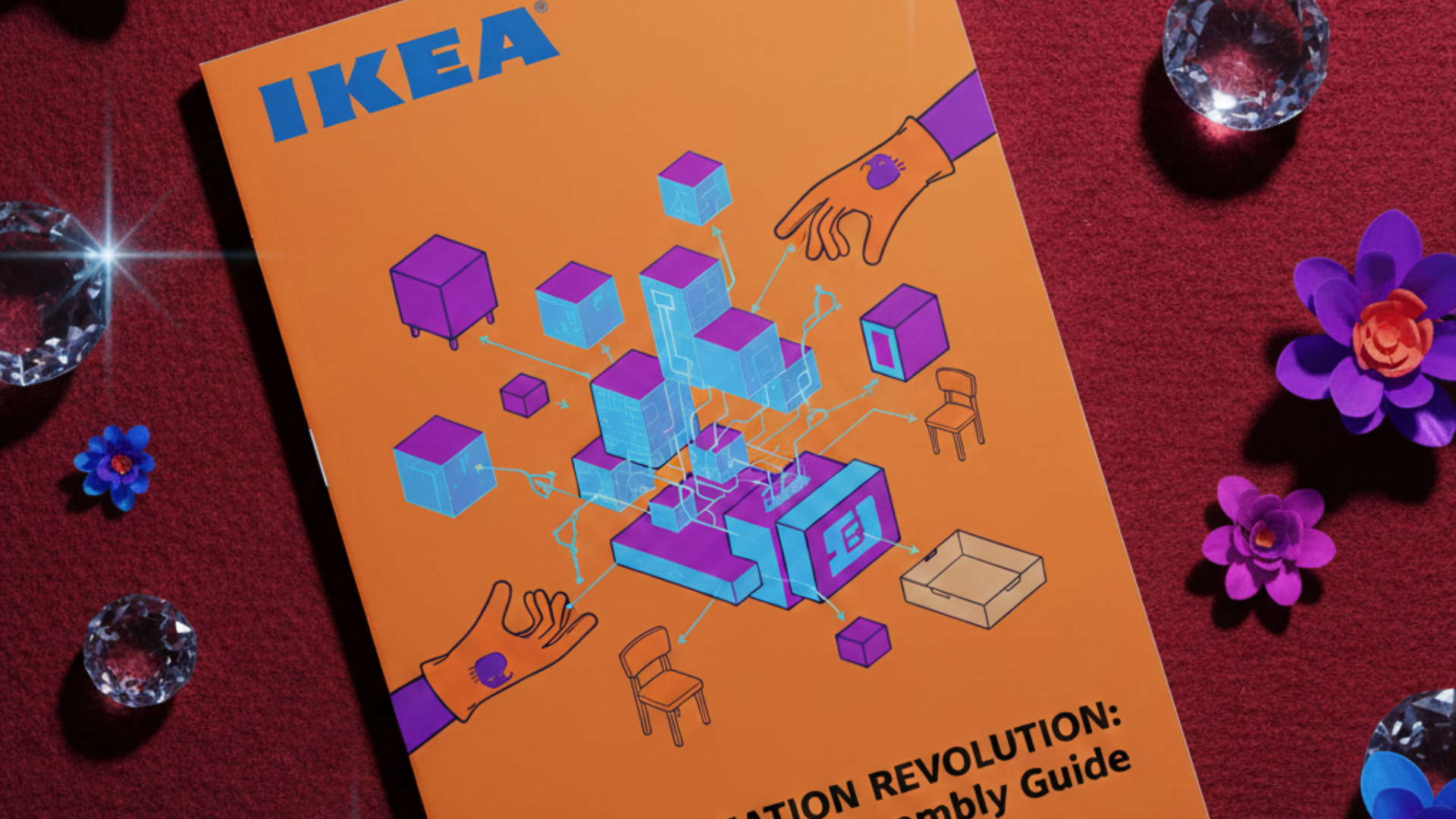
By embracing Nordic values, like equality and human-focus, brands can drive emotional engagement through radical transparency.
Overcoming Challenges in Digital Branding
We understand that venturing into platforms like Roblox or the broader metaverse can feel daunting, even for seasoned marketers. It is completely natural to feel a sense of digital dizziness when the industry moves forward this fast. However, the perceived risks of entering these spaces are often mitigated by the rewards of early adoption.
Confronting the Fear of Losing Control
The most common concern for brand managers is the loss of narrative control. In a user-generated world, your brand is in the hands of the community. However, research from the University of Oxford suggests that well-structured digital environments actually foster prosocial behaviour and positive community engagement. By setting clear house rules and providing constructive tools (much like IKEA did with its virtual co-worker training) you guide the community toward positive interactions rather than leaving them to chaos.
Measuring What Matters
Traditional marketing focuses on so-called vanity metrics, like impressions and likes. In the IKEA Roblox model, success isn't measured by how many people walked past the virtual store, but by how long they stayed, the complexity of the rooms they designed, and the sentiment shifts recorded after they "worked" a shift. IKEA was looking for Emotional ROI: how much more likely is a user to visit a physical IKEA after having a positive online experience?
Lowering the Technical Barrier
You don't need to build a blossoming online empire on day one in Roblox (hey, Rome wasn’t built in one day either!). Strategic empathy means starting small and listening to your audience. Whether it’s a single limited-edition product or a small, branded social hub, the goal is quality over quantity. Success in the Phygital world is an iterative process, not a one-time quick launch.
Here are a few things to consider before jumping into Roblox marketing:
Addressing the Fear of Losing Control: In a digital world where users create the content, you can't control everything. As discussed above, the research by Oxford demonstrates that well-designed online worlds actually encourage people to act better toward one another.
Measuring Success: Don't just look at likes. Look at Engagement Metrics like how much time people spend in the space, how often they create something, and how their mood changes toward the brand.
Technical Barriers: You don't have to build a giant world on day one. Start with one clear idea, like a specific digital product or a small social space.
What’s Next in the Phygital Future
IKEA’s Roblox store is a lighthouse for what we call the Phygital future—a world where our online and physical identities are linked to be one and the same. This is happening now already, not later in 3052. Gartner predicts that by the end of 2026, 25% of the population will spend at least one hour per day in the metaverse for work, shopping, or education.
For your brand, this means evolving toward Omni-presence. It is no longer enough to have a website and a storefront. You must be present where your audience finds meaning and community. Whether that is a physical high street in London or a online town square in Roblox, your brand must offer a consistent, empathetic experience across every reality.
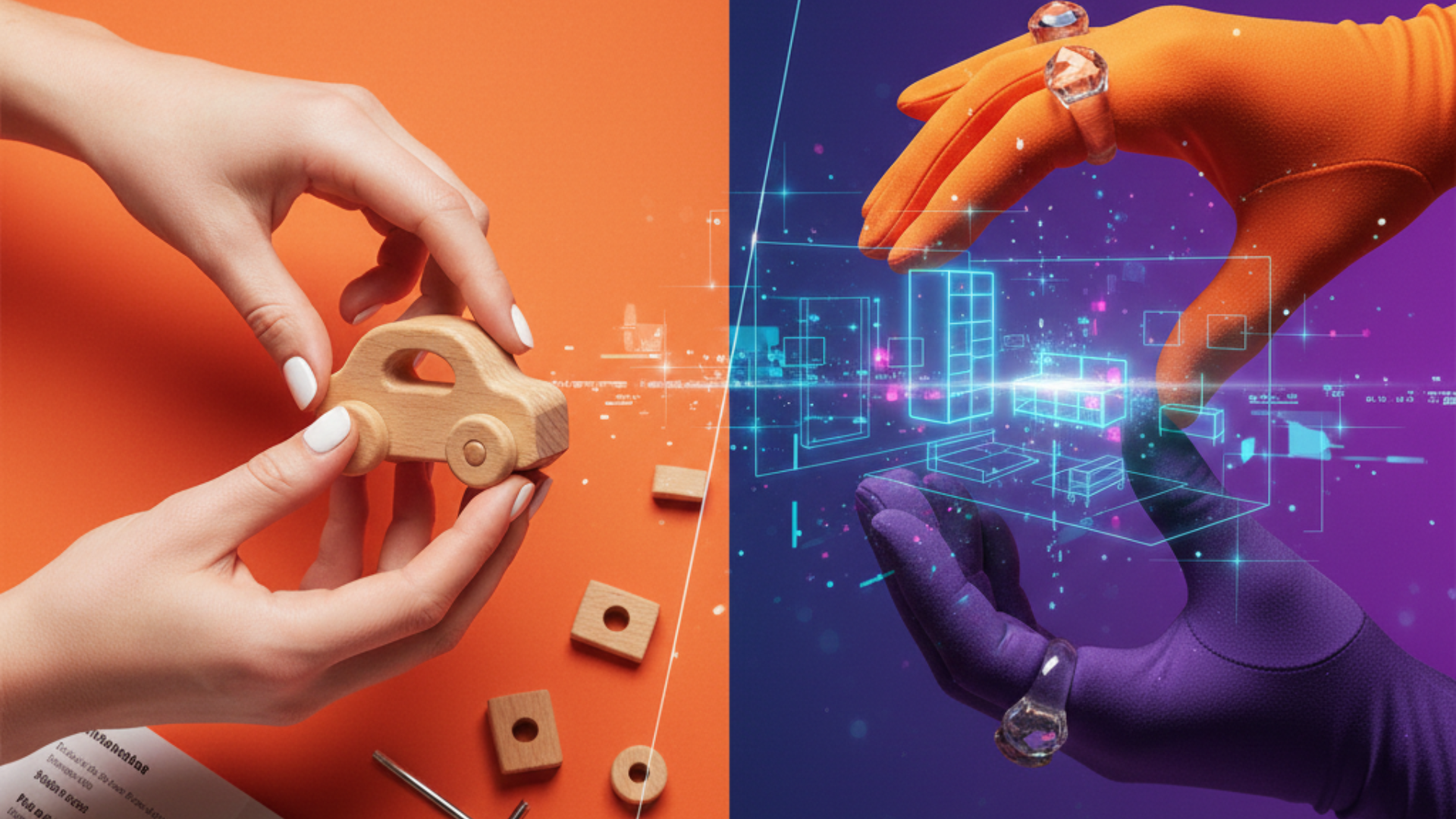
IKEA’s Roblox store represents the emerging Phygital future where metaverse and physical identities merge.
Conclusion: Lessons for the Modern Brand
IKEA’s Roblox store is truly a foundational lesson in empathy-driven marketing and an amazing long-term marketing initiative. By successfully applying the IKEA Effect to an online space, they have humanized their brand in a world of pixels. IKEA has proven that when you combine psychological insights with creative bravery, you don't just get more sales—you build a movement.
The brands that thrive in 2026 and beyond will be arguably those that use the metaverse to bring people closer together. These will be the brands that don't just sell products to customers, but truly belong to their communities.
Ready to Redefine Your Brand’s Digital Presence?
At Ainoa, we specialize in helping brands navigate this intersection of human emotion and emerging online spaces. Whether you are looking to define your brand strategy to make your brand future-proof or simply want to find a more authentic, empathetic voice for your brand, we are here to help you lead the way.
Is your brand ready for the Phygital revolution? Contact Ainoa today. Let’s build a brand that truly means something for future generations.
Get more updates from Ainoa in your Google News feed.
Articles on our blog may contain content drafted with the assistance of AI tools, always reviewed and polished by Ainoa's team.
