Strategic Branding: Grow Your Business, Own Your Market
Quick Summary
Strategic branding includes building deep connections with consumers based on trust and shared experiences.
A strong brand identity is necessary for competitive advantage, helping businesses to attract loyal customers and command premium pricing.
Understanding consumer psychology and decision-making is vital in order to build a brand strategy that drives sales.
Brand equity (an intangible asset) significantly impacts a company’s financial performance, market value, and long-term sustainability.
Consistent brand management across all touchpoints strengthens perception, increases brand loyalty and drives business growth.
Having a good product or service is not enough anymore. All businesses, from startups to established small and medium-sized companies, face the constant challenge of differentiating themselves from others and capturing the attention of their target audience.
This is where strategic branding becomes essential for sustainable growth and capturing a sizeable market share. Building a strong brand has never been about pretty logos or catchy slogans alone. Branding actually means controlling your audience's perspective and building an emotional connection with them. Also, establishing trust and delivering a consistent experience that resonates deeply with people are some of the key elements of strong brands.
At Ainoa, we believe all branding must be strategic, not decorative. A carefully constructed brand strategy framework helps to shape how the world perceives your organization. Strategic branding is an investment in your future, helping to influence purchasing decisions, foster loyalty, and ultimately, drive sales.
The Psychological Foundation of Branding
At its heart, all branding is psychological and strategic. Effective branding considers human emotions, biases, and cognitive processes to create and shape meaning and preference for its target audiences.
When we consider how to build a strong brand, we are exploring how to build a strong psychological association in the minds of consumers. People do not buy products or services, and they never have; they buy what those products or services represent to them, how they make them feel, and the identity they project through their choices. This often happens subconsciously, guided by heuristics and emotional responses rather than purely rational deliberation.
For instance, the consistent visual identity, messaging, and emotional appeal of a brand like Coca-Cola have cultivated a global association with happiness and refreshment. Of course, this is not accidental, but a result of a carefully orchestrated and consistent brand strategy that understands consumer psychology.
When done right, a strong brand identity can provide a sustainable competitive advantage and, for example, allow you to charge more. This ability to differentiate and command value derives from the psychological impact the brand has on its audience, influencing their perceptions and preferences.

Brands like Coca-cola stay recognizable through consistent brand strategy and constant brand efforts.
How to Define Your Brand's Core
Before we at Ainoa can create a brand that resonates with your target audience, we must first define its very essence. This involves things like putting together your biz’s mission statement, vision, and core values, often referred to as the MVV statement. These foundational elements act as the compass for all brand activities, ensuring consistency and authenticity throughout the identity.
Your mission statement explains your organization's purpose, what you do, and for whom. Your vision should describe what you aspire to achieve in the long term. And lastly, your values are the guiding principles that dictate your behavior and decision-making, both internally and externally.
These core elements are the base layer on which your brand personalities are built and communicated. When these elements are clear and consistent, they help your customers understand what your brand stands for, which in turn builds trust and makes the brand more relatable.
82% of shoppers are more likely to support brands whose values align with their own, creating a deeper, more enduring connection.
How to Build a Strong Brand Identity
Your brand identity is the expression of your brand's core. It consists of the visual and verbal elements that differentiate you in the market. This includes things like your logo kit, color palette, typography, imagery, tone of voice, and messaging style. These elements are codified in brand guidelines and in brand strategy, ensuring consistent application across all marketing materials and customer touchpoints.
The psychological impact of visual elements is much more important than people often realize. Colors evoke emotions, shapes communicate meaning, and typography influences readability and perception. Thoughtfully put together brand identity communicates professionalism, trustworthiness, and distinctiveness. Custom-made visual brand identity also helps your brand to shape how the brand is perceived.
When these elements are consistently applied, they become recognizable signals that trigger immediate brand recognition and association in the consumer's mind. This consistency reduces cognitive load for the consumer, making it easier for them to identify and recall your brand. It also contributes to the perceived reliability and credibility of the brand.

Most entrepreneurs are more familiar with visual branding, but the look and feel should not be the starting point for any brand. Brand strategy defined how Apex Pro should communicate before visuals were even considered.
How to Understand Your Target Audience
A truly influential brand strategy is always audience-centric. You can not build a strong brand without a deep understanding of the people you aim to serve. Basic demographics are a good starting point, but you must have a deep grasp of their real needs, desires, pain points, motivations, and purchasing behaviors. On top of that, we recommend exploring psychographics, understanding their lifestyle, attitudes, and aspirations, etc.
By developing detailed buyer personas, we gain empathy for our target audience, enabling us to tailor our brand's message and experience to resonate specifically with them. This psychological alignment makes your brand feel relevant and personal, moving it from a generic offering to a preferred solution.
When consumers feel seen, heard and understood, they are more likely to engage with and become loyal customers of your brand. A tailored approach ensures that the products or services offered genuinely meet market demand.
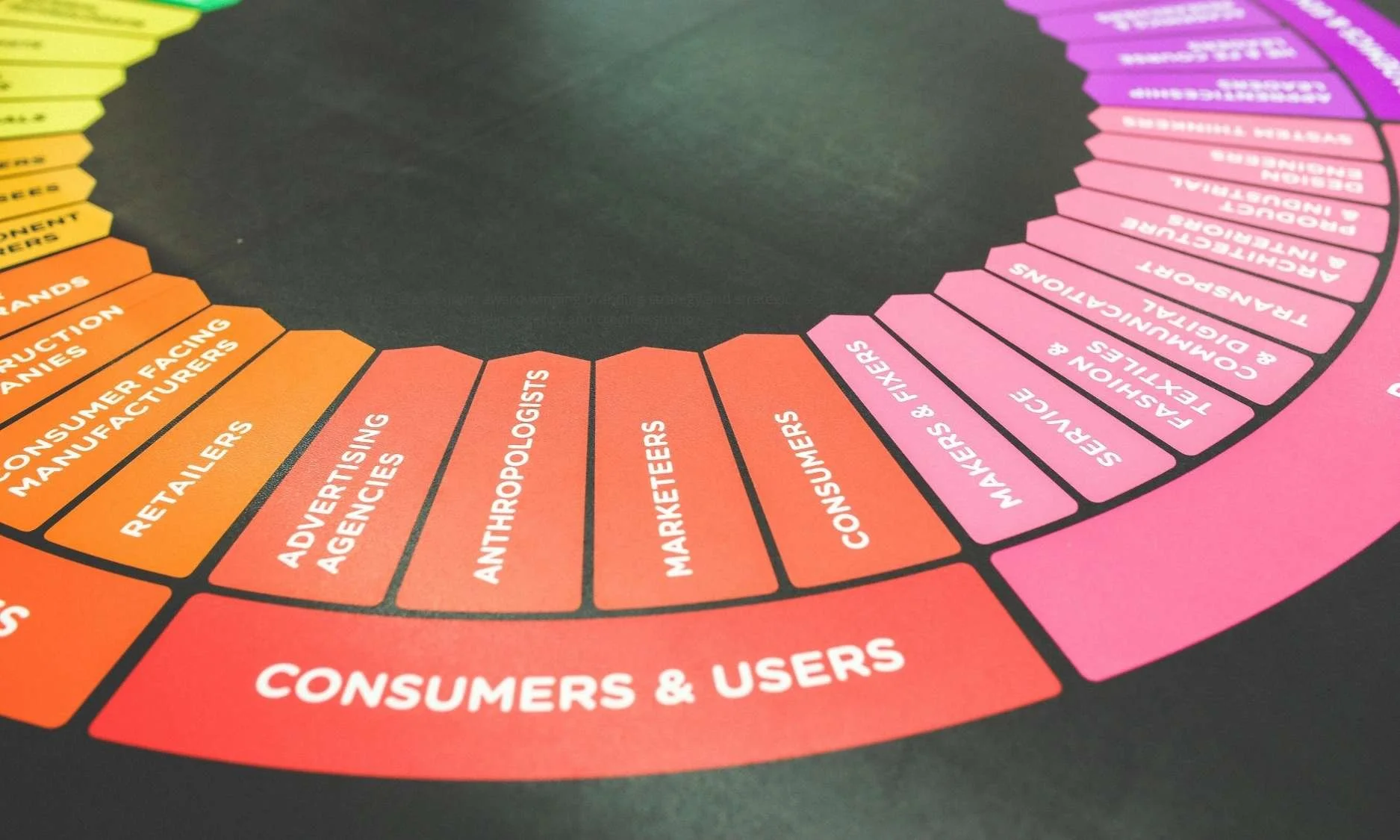
Knowing your brand’s all stakeholders from buyers to employees is essential for strategic branding.
Crafting a Compelling Brand Strategy
A brand strategy is your long-term plan for how you will achieve your business objectives through branding. It is not a marketing tactic or marketing strategy, even if these things feel similar, but it is a strategic roadmap that guides every decision related to your brand. This strategy outlines key points such as your market positioning, your unique selling proposition, and how you will communicate your value to your target audience.
You will need to make calculated choices about where your brand will compete, how it will differentiate itself, and what emotional region it will own. The goal of a brand strategy is to create a compelling narrative around your brand that sets it apart and makes it the preferred choice.
Strategic branding directly contributes to higher profitability, increases market share and profits, and enhances long-term brand value. This long-term view helps ensure that all brand marketing and brand management efforts contribute to a cohesive and powerful brand image.
What is Brand Equity, and How Will it Help my Business?
Brand equity is a measure of a brand's value to a company. It is an intangible asset representing the collective perceptions, associations, and loyalty that consumers hold towards a brand. High brand equity gives you numerous competitive advantages, including the ability to charge premium pricing, greater customer loyalty, and resilience during slow market periods.
Psychologically, brand equity is built on trust, familiarity, and positive experiences. When a brand has high equity, consumers perceive lower risk in purchasing its products or services, and they are more likely to forgive occasional mistakes. This makes strong brands valuable assets that influence a firm's financial performance and market valuation.
Furthermore, brand equity can improve a company's return on assets, free cash flow, and overall market value. This means that the stronger your brand, the more valuable your entire business becomes in the long term.
The Importance of Consistent Brand Experience and Brand Management
A successful brand requires consistent maintenance and management. Brand management means managing all aspects of your brand to ensure that every interaction a customer has with your biz reinforces your desired brand image. This consistency is absolutely necessary for building trust and predictability in the consumer's mind.
Every touchpoint, from your website and social media presence to your sales interactions and customer service, must reflect your brand guidelines and core values.
Inconsistencies create confusion and reduce trust, which can damage a brand's reputation and lead to customers abandoning your brand. Psychologically, humans seek consistency; it provides a sense of security and reliability.
A consistent brand experience builds mental shortcuts, making it easier for consumers to recognize, recall, and choose your brand. This consistent delivery is particularly important now, as nowadays information spreads quickly. Careful management of brand assets across all platforms ensures a cohesive and strong presence.

Brand must stay recognizable even if you bring new product line to the market.
Few Tips on Differentiation and Market Positioning
Standing out is a necessity for all businesses, regardless of company size. Strategic branding is the most effective tool for differentiation. With it, you can sculpt out a unique space in the consumer's mind, making your products or services distinct from competitors. To do this, you need to identify what makes your offering unique and then communicate that uniqueness well and consistently through your brand.
Market positioning is about where your brand sits in relation to competitors in the minds of your target audience. Are you the premium choice, the cheap option, the innovative leader, or the socially conscious alternative? A strong brand value is directly related to increased brand competitiveness through effective differentiation.
This deliberate positioning helps to shape consumer perceptions, ensuring that when a need arises, your brand is the one that immediately comes to mind. It uses psychological principles of distinctiveness and relevance to create a lasting impression.
How Do I Measure Brand Success?
Building a strong brand is an ongoing process, and like any strategic initiative, its effectiveness needs to be measured. Besides sales figures, we at Ainoa assess your brand health through metrics such as brand awareness, brand perception, customer loyalty, and market share. This includes tracking sentiment across various platforms, understanding customer feedback, and conducting regular brand audits.
These insights help us understand how your brand marketing efforts are aligned with your brand and how you’re performing, and then suggest adjustments where needed. The ability to adapt and evolve while staying true to the brand's core is one of the main indicators of successful branding. By continuously monitoring and refining your brand strategy, you ensure its long-term relevance and impact, ensuring that your investment in creating a brand continues to yield returns.

Working with a specialized strategic branding agency, like Ainoa, can significantly boost your success. For Chutney Castle, we used multiple psychological principles to permanently change behavior for wanted outcomes.
Conclusion
Strategic branding is not a nice-to-have, but a fundamental requirement for any business seeking sustained growth and market leadership. It is the disciplined application of psychological insights, business savvy, creative expression, and consistent delivery to build meaningful connections with your target audience. From defining your core values to consistently managing every customer interaction, every step contributes to your brand.
At Ainoa, we believe in empowering businesses to create a brand that not only stands out but truly resonates. By focusing on your unique value and crafting a compelling narrative through strategic empathy, you can attract loyal customers and establish a position that drives profitability and secures your future.
Working with someone who knows how to build a strong brand can truly transform your market presence and unlock your full business potential. Our approach to brand strategy, refined through years of working with ambitious businesses (just like yours!), helps to clarify your vision and translate it into a strong market identity. Check out some of our case studies here for inspiration.
Get more updates from Ainoa in your Google News feed.
Articles on our blog may contain content drafted with the assistance of AI tools, always reviewed and polished by Ainoa's team.