

AINOA KNOWLEDGE BASE FOR BRAND GROWTH
Discover the power of expert perspectives in driving brand evolution. Our blog offers enriching insights into consumer psychology, marketing psychology, all things branding and marketing, behaviour science and latest innovative strategies. Expand your knowledge and fuel your brand's growth journey with Ainoa.

Sustainability Branding: How to Build a Sustainable Brand People Actually Trust
Sustainability branding is one of the most valuable and most abused ideas in modern branding. The problem with most sustainability branding isn’t that it’s too quiet — it’s that nobody believes it.
How to build a sustainable brand people actually trust, greenwashing-free, when consumer trust is lower than ever?

All You Need to Know about Tea Branding & What Actually Makes a Tea Brand Get Chosen
The tea market is brutally crowded, and the winning brands didn’t get there with good packaging. Virtually all tea brands claim the same two things and repeat the same brand story.
What does tea branding actually take and how build a successful tea brand?

Gen Z Consumer Behaviour: What Brands Keep Getting Wrong
Gen Z supposedly values authenticity above everything. But they also spend money on Stanley cups, Skims, and whatever is trending this week.
In this article, Tove Björk — who is Gen Z — looks at the contradictions honestly and explains what Gen Z brands actually need to understand.

How to Build a Brand: The 7-Phase Process That Actually Converts
Brand-building is not a single one-off project. It is at least a seven-step process, and most businesses skip several steps, then wonder why the brand does not hold together.
But what each phase involves and why the order matters?

How to Build a Brand: Start With Psychology, Not a Logo
Most brands were built backwards. Design first, strategy never. A brand that starts with a logo is a brand that will need to be rebuilt. Building a brand properly is a psychological project, and the visual work comes last.
What does that actually mean in practice?

Brand Archetypes & Psychology: Why Some Brands Feel Like Characters
Brands like Duolingo, Patagonia and Apple all feel to have almost a human-like personality.
But what makes a brand feel like a character rather than a company — and why do some brand personalities connect deeply while others feel hollow?
What the Gymshark x Bratz Flop Actually Tells Us About Marketing to Women in Fitness
Before the Gymshark x Bratz collection launched, the comments were full of “just take my money.” Then it dropped — seamless sports bras and leggings in new colours — and the same community that had been ready to pay turned around and told Gymshark exactly what it should have made instead.
What does a backlash this specific reveal about Gen Z nostalgia, women as a fitness audience, and what happens when a brand assumes it's still doing the talking?
Golf Branding in 2026: What the New Generation of Golf Brands like Malbon & Eastside golf do Right
If you want to understand where golf branding is going, stop studying legacy brands and study the ones that are taking their market share. Brands like Malbon and Eastside Golf have fundamentally changed what golf looks like to a generation that had never seen themselves in it before.
But what exactly did they get right, and why does their approach work?

What is Branding and Brand Identity, and What Are the Main Components of Visual Brand Identity?
This might surprise you, but a logo is not a brand identity, and a brand identity is not branding. Branding is not something a designer delivers — it's something a business earns over time.
But what do these terms actually mean, and what do the components of a strong visual brand identity really involve?

The Art of Brand Storytelling and the Psychology Behind Stories That Sell
Humans have been telling stories for as long as there have been humans. The brain processes narrative differently from facts — with more activation, stronger memory, and more emotional engagement.
But are you familiar with the cognitive mechanisms behind storytelling? And why do some brand stories sell, and some just… don’t?
How to Start a Golf Brand: Identity, Packaging and Web Store from Scratch
Most founders who start a golf brand spend their first budget on a logo and a Shopify template, then wonder why nothing is converting. The problem is never the logo. It is everything that should have come before it, and that nobody told them to do first.
How to build a golf brand that actually sells, and why the psychology behind “why” actually matters more than most founders expect?

Branding 101: How to Build an Unforgettable Brand
Most businesses believe branding begins and ends with a logo, but a visual identity is only the tip of the iceberg. At its core, a brand is a psychological promise: a sum total of every emotional and rational association a customer forms with your business.
So, how do you build a strong brand that doesn't just get noticed, but truly stays in the hearts and minds of your loyal customers?

Golf Branding in 2026: How Modern Brands Are Leaving the Country Club Behind
Most golf brands look exactly like every other golf brand. Same lazy greens, same cream, same inherited boring prestige that only means something to the people who already play. The sport is changing faster than its visual language is, and the founders who understand that first will own a generation of customers.
What does a golf brand actually need to do differently in 2026, and why do so few of them bother?
What Is Consumer Psychology? The Complete Guide for Brands and Marketers
Most purchase decisions are already made before your customer has consciously thought about them. The brain reaches for emotional shortcuts, social signals, and memory anchors — and the brands that understand this build loyalty that purely rational marketing never touches.
So why are most brands still designing for customers who don't exist?

CASE STUDY: When Legal Strategy Destroys Brand Soul
Most decision-makers assume that protecting proprietary content is the highest priority, yet research shows that human-centric responses build far more equity than a cease-and-desist ever could.
How can your business pivot from policing its fans to empowering its greatest advocates?

The Double-Edged Sword: Scarcity Marketing and FOMO in Social Media
FOMO-driven campaigns can feel exciting for customers — until they feel played. While flashes of urgency can jumpstart engagement, misuse of scarcity risks damaging the emotional connection you’ve worked so hard to build. The most successful marketing strategies combine genuine scarcity and authentic narratives, rather than forcing panic around every offer.
Are you creating excitement or unintentionally training your audience to ignore your calls to action?
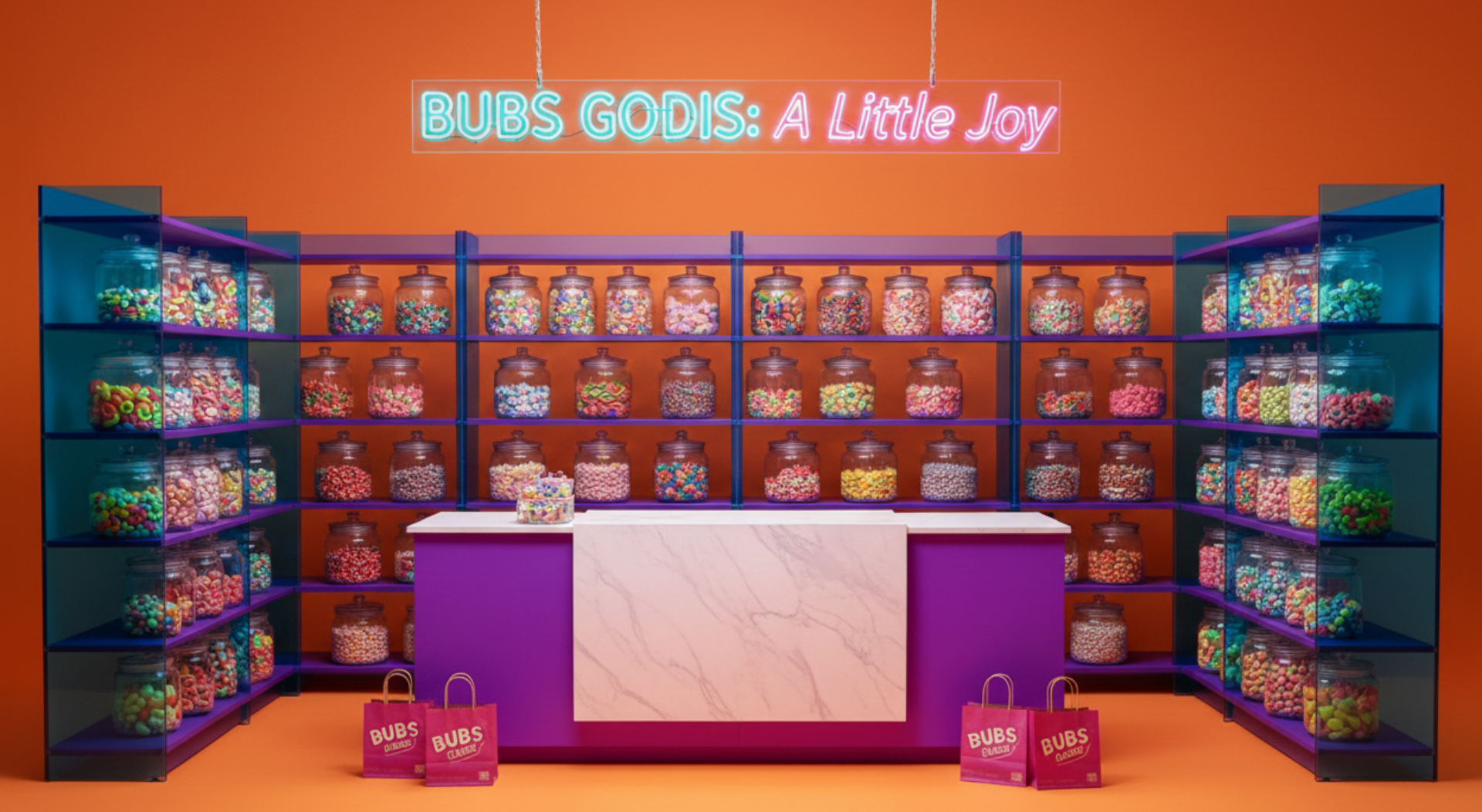
The BUBS Effect: How Empathy-Driven Nordic Brand Strategy Transformed Swedish Candy into a Global Powerhouse
Watching a trend hit a billion views is one thing, but seeing it survive the transition to a physical store shelf is another entirely. BUBS bypassed the "valley of death" that claims most viral products by choosing strategic boutique partnerships over mass-market saturation.
How did they manage to maintain their cultural integrity while scaling at such a massive volume?

Strategic Branding: Grow Your Business, Own Your Market
Most businesses believe branding starts with logos, colours, or marketing campaigns. However, branding isn’t decoration. It’s the strategic process of shaping perception, building emotional connection, and creating long-term business value. Businesses don’t win because they shout louder; they win because their brand creates trust, meaning, and recognition.
So how do you build a strong brand people genuinely remember?
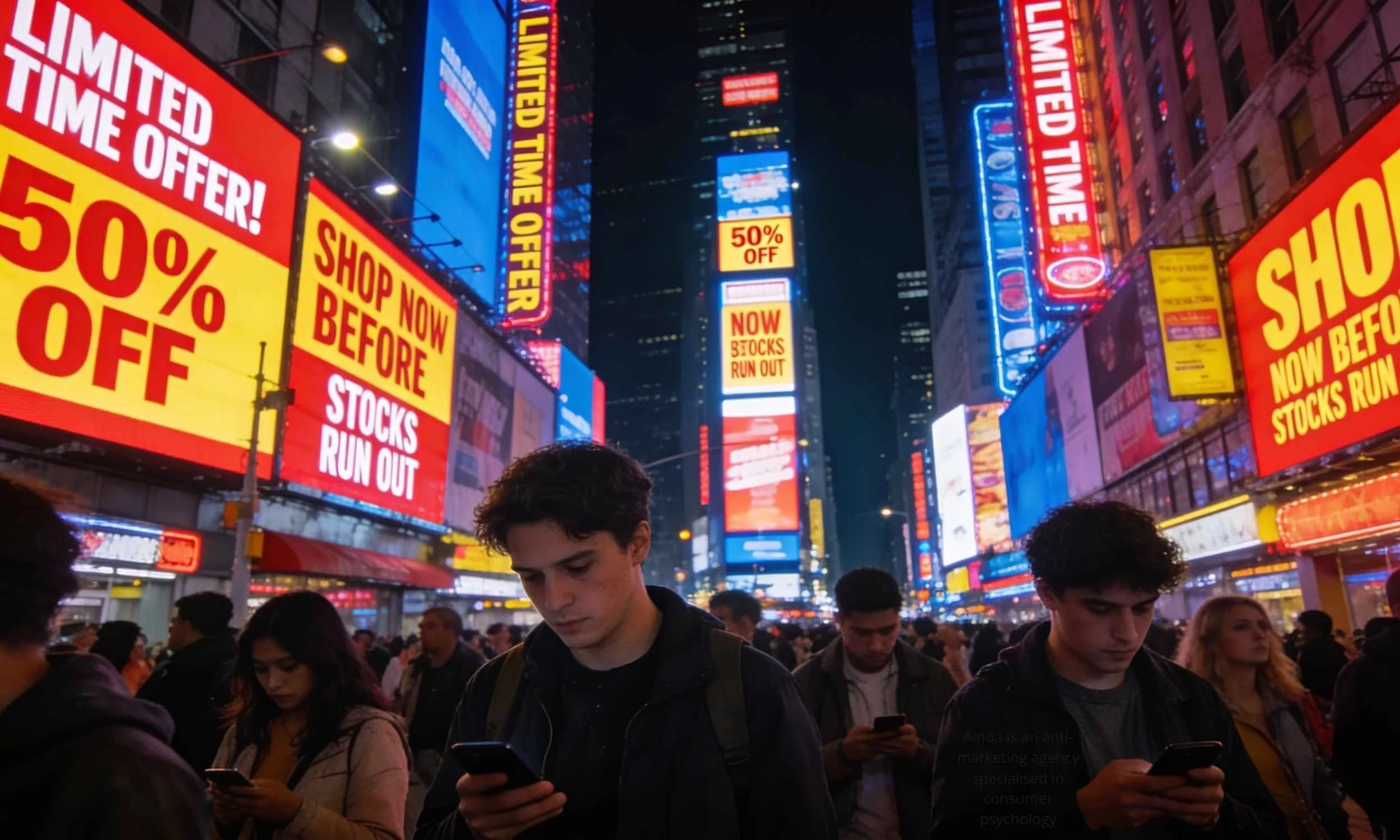
Anti-Marketing Explained: How Doing Less Sells More in 2026
We’ve been told louder marketing always wins more business. Yet in 2026’s AI-driven, zero-click world, aggressive ads breed exhaustion and scepticism. When Patagonia ran “Don’t buy this jacket”, and Lush quit social media, they didn’t lose customers—they gained trust.
What does it truly mean to win attention by refusing the usual marketing game and mastering anti-marketing instead?
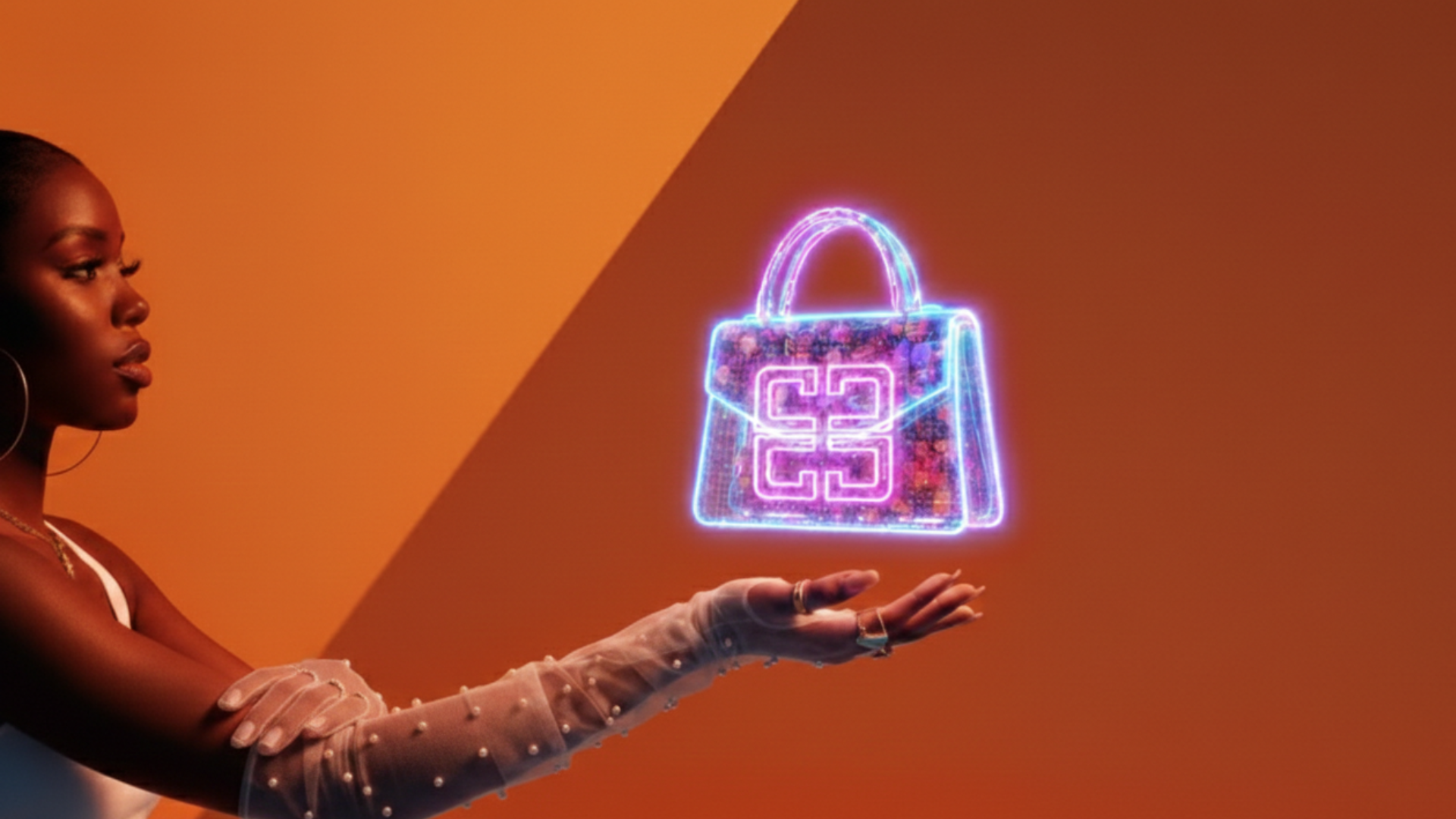
Why Brands are Betting on Roblox (and Why Most Will Fail)
For Gen Alpha, a digital avatar is more than a pixel character on the screen, but a primary expression of their soul. Brands like Givenchy have realized that when you dress an avatar, you aren't selling products, you're shaping a human identity.
If your brand isn't part of Gen Alpha’s or Gen Z’s self-expression today, will you even exist to them tomorrow?