

AINOA KNOWLEDGE BASE FOR BRAND GROWTH
Discover the power of expert perspectives in driving brand evolution. Our blog offers enriching insights into consumer psychology, marketing psychology, all things branding and marketing, behaviour science and latest innovative strategies. Expand your knowledge and fuel your brand's growth journey with Ainoa.

Gen Z Consumer Behaviour: What Brands Keep Getting Wrong
Gen Z supposedly values authenticity above everything. But they also spend money on Stanley cups, Skims, and whatever is trending this week.
In this article, Tove Björk — who is Gen Z — looks at the contradictions honestly and explains what Gen Z brands actually need to understand.

What Is Consumer Trust, How It Forms, And Why It Is the Foundation of Brand Equity
Trust is the one brand asset that cannot be bought, designed, or simply announced. It’s built through repeated experiences that confirm expectations. It can also often be destroyed, even permanently, through a single experience that contradicts them.
But how is the consumer's trust actually built, and how does it work?

Cognitive Dissonance in Marketing: How Inner Conflict Shapes Buying Decisions and Brand Loyalty
The moment after a purchase is made is one of the most psychologically active moments in consumer behaviour. Cognitive dissonance explains why people justify expensive decisions, why loyalty can strengthen after a difficult product experience, and why what a brand says after the sale matters as much as what it says before.
Is your brand’s purchase journey built from a psychological perspective deliberately or accidentally?

How to Use Behavioral Economics in Marketing and Full Definition With Practical Examples
Traditional economics assumes people make rational decisions. Then came behavioural economics, which looked at what people actually do, and found something much different.
But what is behavioural economics exactly, and how to apply its core theories in marketing and brand strategy?
How to Apply Psychological Pricing Strategies in Your Business & How Price Perception Works
A price is never “just a number”. It is information the brain uses to assess quality, fairness, social status, and risk. Pricing also links more directly to your brand and messaging strategies than you realise. Pricing psychology research shows that how a price is presented, positioned, and framed changes what people are willing to pay — often significantly.
But how to apply the psychology of pricing strategically?

What Is Sensory Marketing and How to Create Unforgettable Brand Experiences for all senses
We all already know brands need to look good and speak to the right audience to make sales. But what does your brand smell like? What does it sound like? What does it feel like to hold? Sensory marketing is a marketing discipline of designing brand experiences for other senses than vision.
Research shows senses shape buying decisions more than most brands realise, but how do you sell for all senses?

The Psychology of Impulse Buying: What Triggers Unplanned Purchases and What It Means for Your Brand
Somewhere between entering a shop and reaching the till, a purchase decision gets made that wasn't planned. Impulse buying is one of the most studied phenomena in consumer psychology, and one of the most misunderstood.
But what actually triggers it in retail and ecommerce, and what does it mean for how brands are designed?

Buyer Psychology: The Complete Guide to Understanding Why People Buy
Every customer who encounters your brand is running a psychological process that started before they were consciously aware of it. Buyer psychology maps that process — and understanding it is the difference between a brand that wins the sale once and one that earns the loyalty that follows.
Are you selling to who your buyer actually is, or who you assume them to be?
What Is Consumer Psychology? The Complete Guide for Brands and Marketers
Most purchase decisions are already made before your customer has consciously thought about them. The brain reaches for emotional shortcuts, social signals, and memory anchors — and the brands that understand this build loyalty that purely rational marketing never touches.
So why are most brands still designing for customers who don't exist?
The Psychology of Branding: How to Build a Strong Brand and Create Loyal Customers
Most businesses think branding is about how they look. However, the brands that create genuinely loyal customers aren't the ones with the biggest budgets or the most recognisable logos. They're the ones that understood, early on, that branding is a psychological act.
What would it mean for your business if 43% more of your customers chose to spend more, simply because they felt understood?

The Double-Edged Sword: Scarcity Marketing and FOMO in Social Media
FOMO-driven campaigns can feel exciting for customers — until they feel played. While flashes of urgency can jumpstart engagement, misuse of scarcity risks damaging the emotional connection you’ve worked so hard to build. The most successful marketing strategies combine genuine scarcity and authentic narratives, rather than forcing panic around every offer.
Are you creating excitement or unintentionally training your audience to ignore your calls to action?
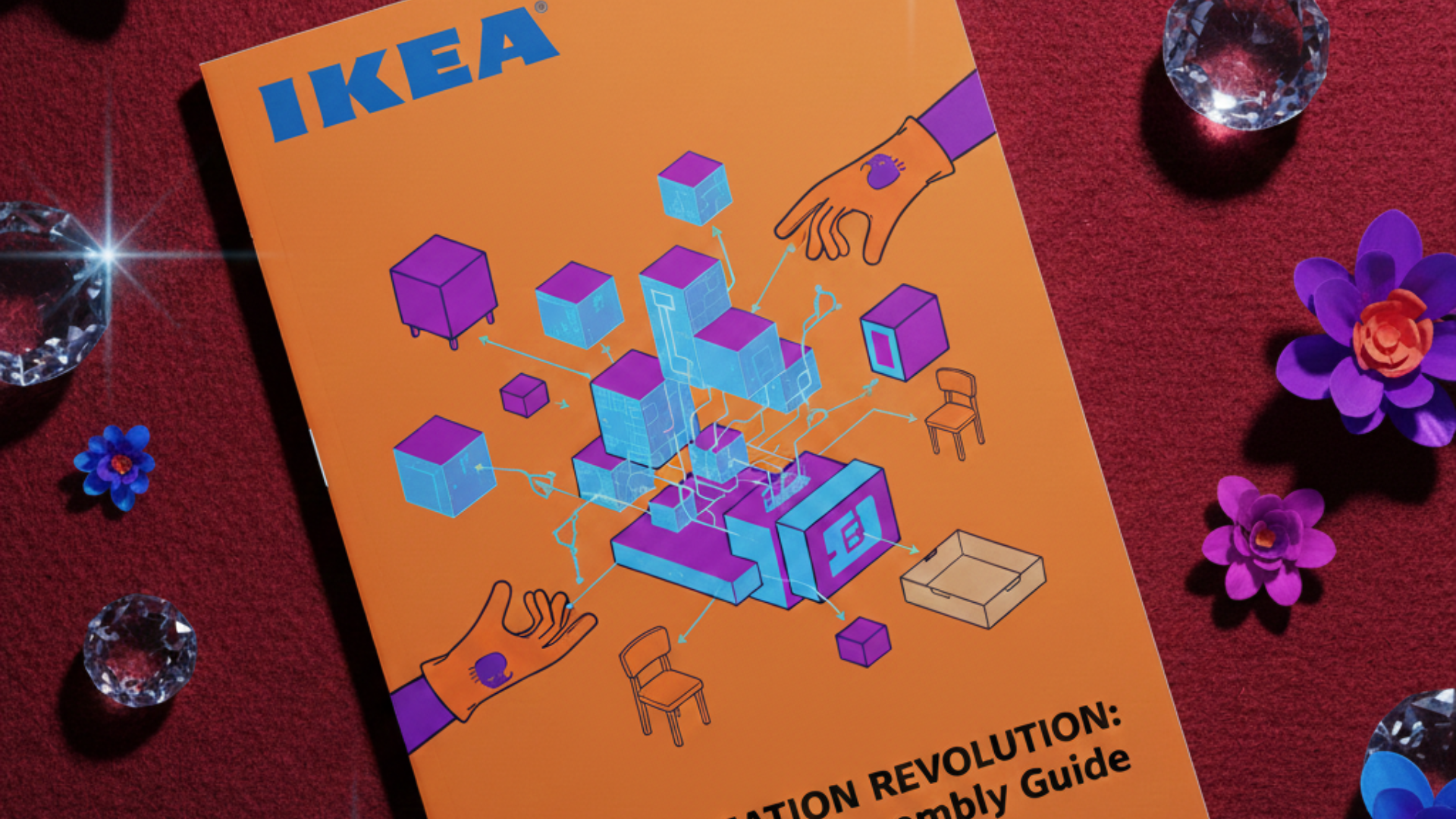
The Co-Creation Revolution: How IKEA on Roblox Redefines Brand Empathy
There is a unique kind of pride that comes from saying “I built this,” whether it’s a physical bookshelf or an online living room. IKEA is now applying this age-old psychological bias to the metaverse, proving that effort creates a deeper neurological bond than any traditional advertisement ever could.
When the act of creation becomes the reward, how do you keep your audience from looking away?
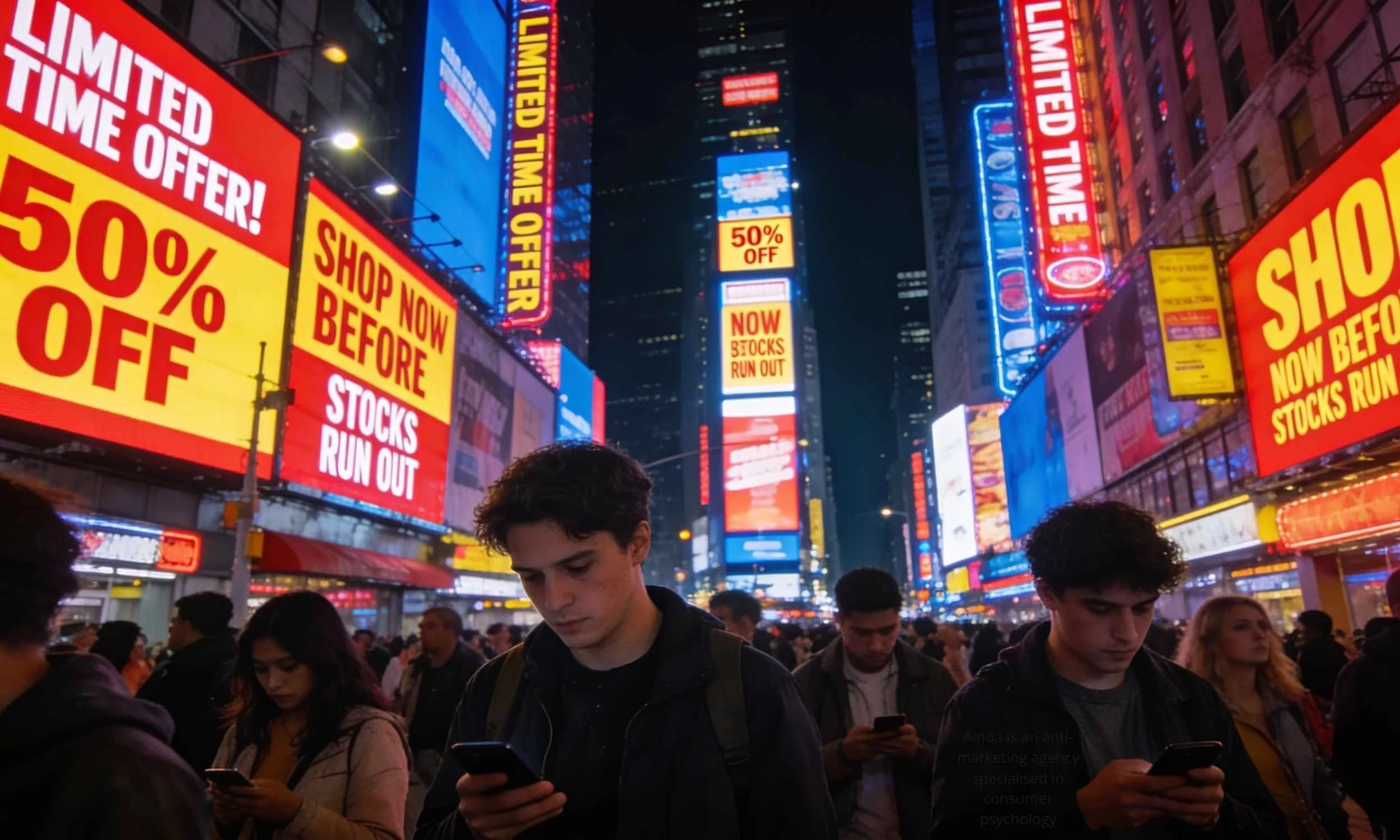
Anti-Marketing Explained: How Doing Less Sells More in 2026
We’ve been told louder marketing always wins more business. Yet in 2026’s AI-driven, zero-click world, aggressive ads breed exhaustion and scepticism. When Patagonia ran “Don’t buy this jacket”, and Lush quit social media, they didn’t lose customers—they gained trust.
What does it truly mean to win attention by refusing the usual marketing game and mastering anti-marketing instead?

Brand Color Emotion Guide: What Each Color Communicates
Every color carries emotional meaning, but that meaning isn’t fixed. Brand psychology shows that context, culture, and timing shape how colors are interpreted and whether they build trust or distance. Understanding color emotion helps brands choose colors that resonate authentically with their audience.
What emotions are your brand colors triggering before you ever speak?

The Science Behind Brand Color Psychology: Why Color Matters More Than Words
Long before customers read your copy or understand your offer, your brand colors are shaping emotion, trust, and perception at a subconscious level. Grounded in neuroscience and shaped by cultural context, color psychology reveals why some brands resonate instantly while others are quietly ignored.
Are your brand colors working with human psychology or against it?

What Makes a Food and Beverage Branding Agency Worth Hiring
People make food decisions quickly, often without reading a word. Color, material, hierarchy, and tone do more work than most founders expect. That’s why working with a creative agency for food and beverage brands requires more than taste—it requires understanding consumer behavior.
What signals is your packaging sending?

Lessons from Hershey’s Brand Loyalty and Marketing Efforts
Hershey’s success isn’t built on products alone—it’s built on trust, emotion, and consistency that have kept customers loyal for more than a century. By combining nostalgia with modern marketing psychology, Hershey proves that true loyalty comes from connection, not convenience. Its brand story shows how emotion and purpose can sustain relevance long after trends fade.
Is your brand building the kind of loyalty that lasts for generations?