The Psychology of Branding: How to Build a Strong Brand and Create Loyal Customers
Often people think branding means logo or the colors but this couldn’t be farther from the truth. Building a strong brand has very little to do with aesthetics (although a good visual brand helps drastically) — strong brands understand how to leverage buyer psychology. This article explores how emotional connection, trust, identity, and consistency work together to build a strong brand identity, attract your target audience, and create loyal customers every business needs for long-term success.
If you think about the brands you return to, again and again, even when cheaper or newer alternatives exist, what keeps you buying from them? More often than not, it is not the product itself. It is how the brand makes you feel. At Ainoa, we don’t decorate brands, but treat them as financial assets. For us, branding is a rigorous, psychology-driven process of understanding human behavior and translating that understanding into a brand strategy that creates long-term customer loyalty.
Understanding the psychology of branding is not an advantage, but something every brand manager and marketing lead should value. And the businesses that grasp this (and actually act on it) are the ones that build brands people do not just buy from, but genuinely believe in.
Why Branding Is a Psychological, Not Just a Design Exercise
As stated in the intro, branding is about shaping perception, not visuals (solely, at least). Every interaction a customer has with your brand — from your website to your customer service to your marketing materials — contributes to a cumulative psychological impression. The goal is not to be visible or more noisy for noise’s sake, but to be meaningful to your target audience.
People do not buy products or services. They buy solutions, feelings, and identities. This is why a clear brand strategy built on psychological principles consistently outperforms one built on trend-chasing or intuition alone.
A 2024 branding statistics report found that 81% of consumers need to trust a brand before they will consider buying from it. Trust is not built through a logo (it’s actually one of the last things you need as a brand), but it’s built through consistent, relevant, emotionally resonant experiences, which is exactly what a well-executed brand strategy delivers.

People choose brands they understand, not just brands they see. 70 to 95 % of consumer purchase decisions aren't rational. Ainoa builds brands that get chosen by understanding exactly why people choose.
The Emotional Architecture of a Strong Brand
Emotional Resonance as the Core Driver of Brand Loyalty
A brand is not a logo, a color palette, or a tagline. It is easy to mistake those visual brand elements as “brand”, but in reality, the total sum of what people feel, think, and expect when they encounter your business is your brand. The brands that survive on the long term are the ones that have mastered emotional resonance — the ability to connect with their audience deeper, not just as a product or service provider.
Research from Motista found that customers with a genuine emotional connection to a brand have a 306% higher lifetime value than those who are merely satisfied. That is not a marginal uplift that should be ignored, but a fundamentally different business outcome.
Coca-Cola is a classic example we all know. Sure, the brand sells fizzy drinks we all know, but that’s not what makes people buy. Coca-Cola sells happiness, nostalgia, and shared celebration. Those associations have been built deliberately over decades through marketing materials, storytelling, and brand consistency. It’s worth noting that exact emotional positioning is what will still sell even in the AI-saturated world. This is what brand marketing looks like when it is done with psychological depth.
For a deeper look at how emotional intelligence drives this kind of connection, see Ainoa's guide on empathetic marketing.
Self-Congruity: When the Brand Becomes Part of the Customer's Identity
Consumers do not just buy from brands they like, but they buy from brands that reflect who they are — or who they want to be. This psychological phenomenon is called self-congruity: the degree to which a brand's image aligns with a consumer's own self-concept.
When a brand's mission statement, values, and personality map onto a customer's beliefs, the relationship shifts from transactional to identity-based, and the brand becomes part of their narrative. This is why our brand strategy process at Ainoa always begins with a deep dive into deeper purpose. You cannot build a brand that resonates with the right people unless you know precisely what you stand for.
According to a SAP Emarsys loyalty report, seven in ten Gen Z consumers report strong brand loyalty when they feel understood by and aligned with a brand's values. For younger audiences, especially, shared values are the deciding factor.
Social Proof and the Psychology of Belonging
Human beings are social creatures, and brand choice is rarely made in isolation. We look to others, like friends, peers, review platforms, and influencers around us, to validate our decisions. This is social proof in action: a cognitive shortcut that uses others' behaviour as a signal of quality and safety.
The data confirms the undeniable: according to Nielsen, over 92% of consumers trust word-of-mouth recommendations from friends and family over traditional advertising. And customers who connect emotionally with a brand have a 71% chance of recommending it to others. Building a strong brand image means actively collecting feedback and encouraging testimonials, creating community, and designing brand experiences worth talking about.
The Foundation of a Loyal Customer Base
If emotional resonance is the spark, trust and consistency are the foundations on which a brand is built. Without them, an emotional connection cannot be sustained.
Consistent brand presentation across all channels is a revenue driver, noted also by McKinsey. According to McKinsey, top-quartile performers in design and branding increased their revenues 32 % faster and total returns to shareholders 56 % higher than industry peers. A study from Lucidpress, which surveyed over 450 brand management professionals across various industries to assess the impact of brand consistency on business outcomes, found that consistency matters. 68% of organisations reported that brand consistency contributed to revenue growth of 10% or more, with 32% specifically noting increases exceeding 20%.
Consistency also shapes habit — a significant portion of daily consumer behaviour is habitual rather than consciously deliberated. Brands that show up reliably, with the same visual brand identity, tone of voice, and messaging strategy across every touchpoint, benefit from what psychologists call the mere-exposure effect: repeated, consistent exposure increases familiarity, and familiarity increases preference.
Your brand guidelines are not a bureaucratic document, but an infrastructure that makes consistent brand management possible at scale. Whether you are a startup building a brand identity from scratch or an established business managing a brand refresh, comprehensive brand guidelines are what keep your brand assets coherent and your customer experience predictable — and therefore trustworthy.
We explore this in more depth in How to Build a Brand Identity That Lasts, where we walk through the full process of building brand identity on psychological principles rather than aesthetic instinct.
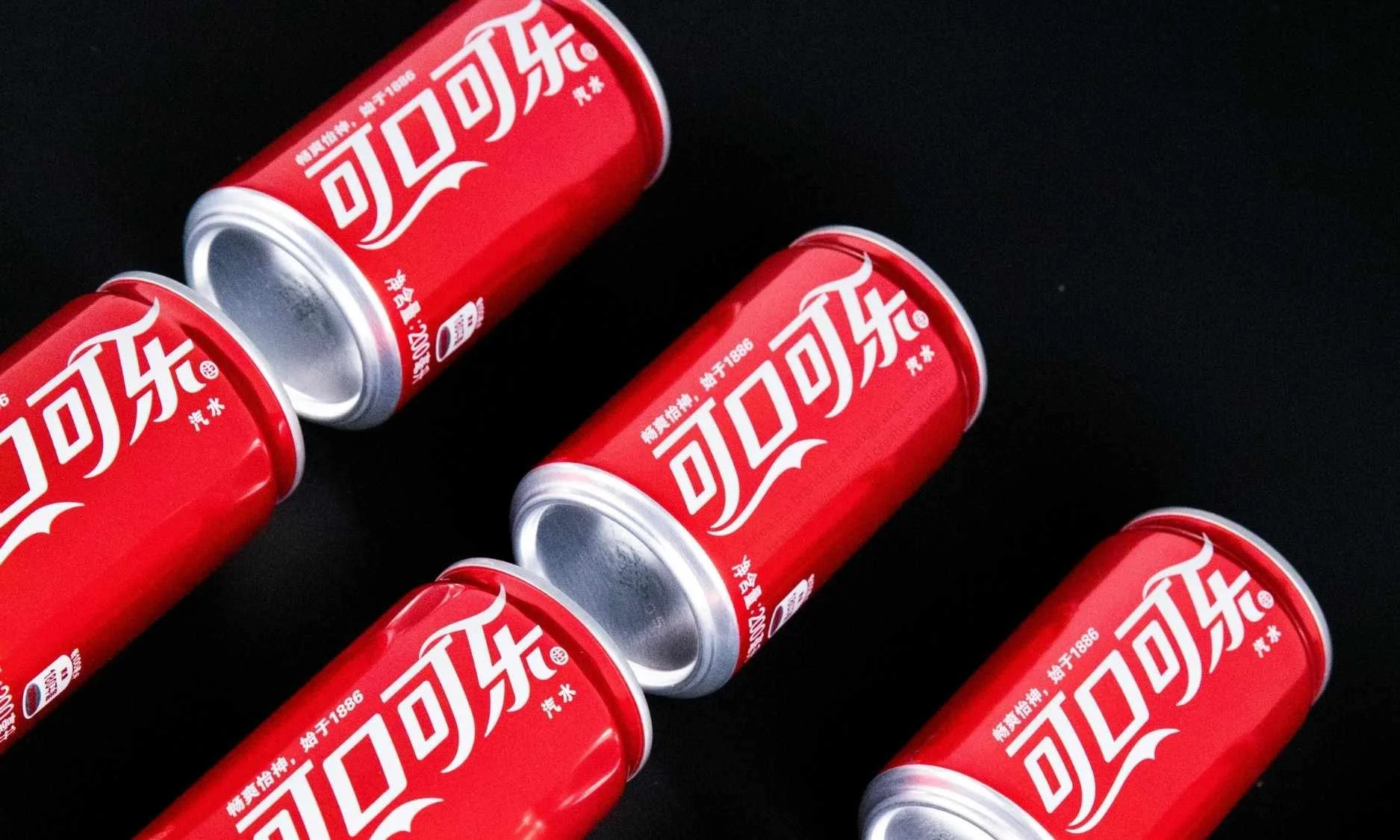
Coca Cola’s brand doesn’t sell cola, but belonging and fleeting moments. Coca Cola’s brand also stays consistent and recognisable across various markets, maximizing brand value.
Neuromarketing and the Unconscious Drivers of Brand Preference
Traditional market research tells you what people say they want, and neuromarketing tells you what their brains actually respond to. The two are often different — and for brand strategists, that gap is where the most important insights live.
Neuromarketing uses tools like eye-tracking, EEG, and fMRI to observe how consumers process brand-related stimuli: packaging designs, advertising campaigns, website layouts, and even brand names. The findings consistently show that emotional processing drives purchasing decisions and that much of this processing happens below the level of conscious awareness.
At Ainoa, we do not run brain scans (maybe in the future, who knows?), but we apply the principles that emerge from this research every day. We design brand experiences that reduce cognitive load, avoid uncertainty triggers, and build positive unconscious associations — because that is what actually drives purchase decisions. A brand that is psychologically well-engineered converts more effectively than one that simply looks cool on Insta.
The Strategic Foundations of Building a Strong Brand
Understanding the psychology of branding is one thing, and translating it into a brand strategy that actually works is another. Here is how the core elements fit together.
1. Define Your Mission, Vision, and Values First
Before you think about brand identity, brand personality, or brand marketing, you need to be able to answer three questions with clarity: Why does this brand exist? Where is it going? What does it believe in?
Your mission statement, vision, and values are not corporate jargon. They are psychological anchors — the foundation that tells your target audience who you are and why they should care. Brands with a strong sense of purpose are, according to multiple studies, significantly more trusted. In fact, brands built around a clear purpose attract customers who share that ethos, and those customers tend to stay.
This is why we always begin our brand strategy workshops with ensuring everyone truly understands the purpose of the brand. You might think this is obvious, but based on our experience, it’s far from obvious and often teams and individuals communicate different things. If you are not clear on what you stand for, neither is your audience.
2. Know Your Target Audience at a Psychological Level
A strong brand is not built for everyone; it’s built for someone specific. The more precisely you understand your target audience and their values, their fears, their aspirations, their decision-making psychology, the more effectively your brand can speak to them.
This means moving further away from demographic data. While age and location tell you something about the demographics, in reality, they tell very little about how someone makes purchasing decisions. Understanding whether your audience is primarily loss-averse or gain-seeking, how they process uncertainty, and what signals trust to them — this is what shapes a brand strategy that actually converts.
Understanding your audience deeply also informs everything else your brand is built on: your brand personality, your tone of voice, your brand story, and your visual brand identity. Get this wrong, and even a beautifully designed brand will land on the wrong people — or on the right people in the wrong way.
3. Build a Distinct Brand Personality and Tone of Voice
Just like people, brands have personalities (this often surprises many of our clients), and people form relationships with personalities, not with products. Is your brand warm and accessible, sharp and expert or perhaps playful and irreverent? Your brand personality dictates how you communicate, what you say, and how you say it.
Your tone of voice should be distinct enough that your audience would recognise your brand voice even without a logo. This verbal identity is often underinvested: most businesses spend heavily on visual brand identity and little on the linguistic systems that govern how the brand actually sounds across every customer touchpoint, from your website copy to your customer service interactions.
For more on building a brand that sounds as good as it looks, read our piece on emotional intelligence in marketing.
4. Tell a Brand Story That People Can See Themselves In
Story is the original “human tech” for meaning-making. Brands that invest in brand storytelling (a clear, authentic narrative about why they exist and what they believe) create something that pure product marketing cannot: emotional context.
The most effective brand stories are not about the company, but about the customer. For example, your audience can be the protagonist in your story, and your brand is the guide that helps them achieve something they care about. This shift in framing transforms marketing materials from promotional content into something people actually want to engage with.
5. Create Visual and Verbal Identity That Reinforces Your Strategy
This is where design comes in, and it is important to be precise about its role. Visual brand identity does not create a brand alone; it just expresses the brand visually. Logos, color palettes, typography, and imagery are the output of strategy, not the input.
That said, the psychology of visual design is not trivial; Research shows that color alone can increase brand recognition by up to 80%. A brand's visual identity should communicate its personality and values at a glance, further reducing cognitive effort for the audience and building recognition over time through consistency.
For a full breakdown of how colour psychology works in brand building, see our article on brand colour consistency and loyalty.
6. Apply and Manage Your Brand Consistently Across Every Touchpoint
A brand exists wherever your business and your audience intersect. Your website, your social media presence, your packaging, your sales conversations, your customer service — every one of these is a brand interaction. Every one of these interactions shapes perception and either builds or erodes trust.
This is what brand management means in practice: not a one-off launch, but ongoing stewardship. As discussed above, research consistently shows that a huge majority of consumers are more loyal to brands that communicate consistently across all departments. Brand guidelines, team training, and regular brand audits are not optional extras for a successful branding effort, but the mechanism by which strategy becomes lived experience.
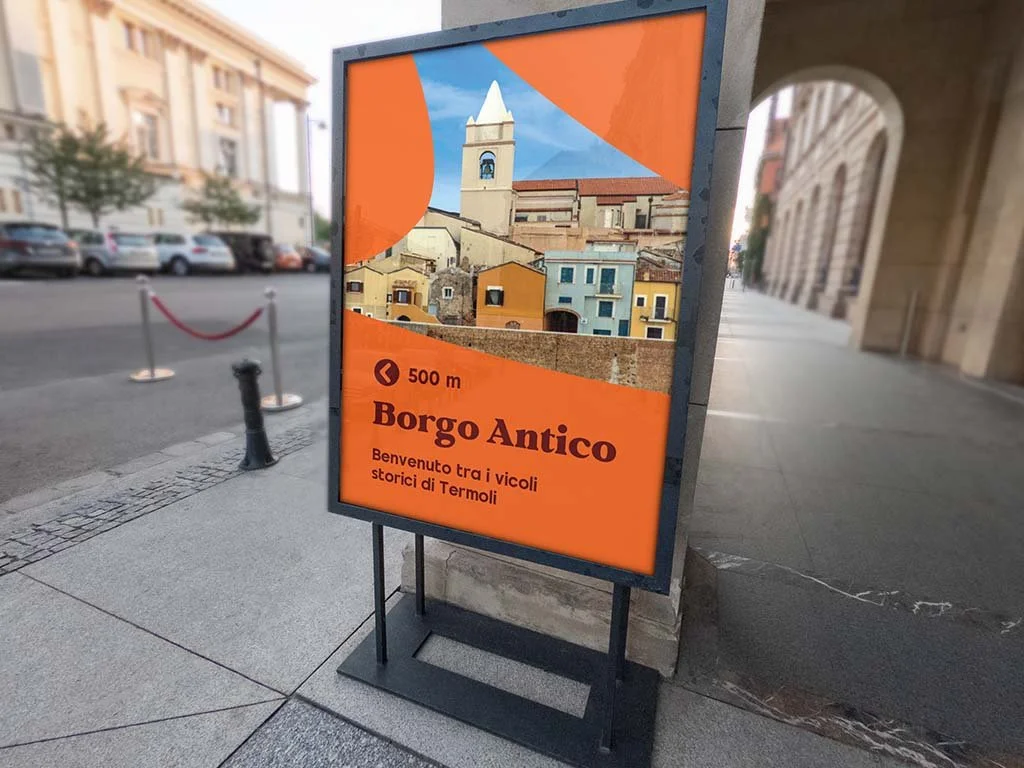
Brand identity we did for Termoli repeats the same patterns, fonts and colors creating visual consistency.
Branding in the Digital Age: Personalization, Culture, and Community
The digital era has fundamentally changed what consumers expect from brands. Access to infinite alternatives and peer review platforms means that brand loyalty is no longer a default — it is earned, and it has to be re-earned continuously.
Personalization is now table stakes: 75% of American consumers are more likely to be loyal to brands that understand them on a personal level. This is no longer just about email personalization or mail campaign personolization you might have also received through your letter box. In 2026 personalization is about brands demonstrating, through every interaction, that they genuinely understand who their audience is and what they need.
Cultural nuance matters too, especially for brands operating across the UK, Nordics, and other market segments within international markets. What resonates emotionally in one cultural context may fall flat or even backfire in another. Collectivist and high-context cultures often respond to subtle, relational branding; individualist and low-context cultures tend to favour explicit, identity-centred messaging. Building a strong brand in a diverse market requires this level of cultural intelligence — not just translation, but genuine adaptation.
Finally, community plays a bigger role in brand building than most founders or marketers often even realize. Brands that invest in building community around their brand and bring people together around shared values and experiences benefit from some of the most powerful loyalty dynamics available. This is the magic of social proof and identity alignment working together.
What Makes a Strong Brand in 2026?
The psychology of branding is a vast field, and we have only merely scratched the surface. Here are some interesting stats to convince you further why consistent, well-built, strategic branding that focuses on buyer psychology wins in 2026:
Loyal customers spend more:In a study surveying 4,000 consumers, researchers found that loyal customers are willing to pay an average of 25% more to stick with a brand they trust, even if a cheaper alternative exists. Adobe’s Digital Economy Index study found that existing customers are 50% more likely to try a new product from your brand and will spend 31% more on those new launches compared to a new lead.
Brand consistency drives revenue: Edelman’s research from 2025 shows that 88% of consumers say trust is the most important factor in buying decisions. Consistency is cited as the #1 way brands demonstrate they are reliable enough to be trusted.
Emotional connection compounds: Emotionally connected customers deliver 306% higher lifetime value than those who are merely satisfied, and they are 71% more likely to recommend your brand.
Trust is the conversion trigger: In a massive survey of 15,000+ consumers, 95% confirmed that their loyalty to a company is directly tied to their trust in that company. Also highlighted by Adobe in the study mentioned above, customers who categorize their trust in a brand as “high” are 88% more likely to buy from them again compared to those who just “like” the brand.
Ethical alignment drives retention: 89% of consumers prefer brands that share their social or ethical values. For younger audiences, this is not a preference, but a condition brands must meet before the younger generations are willing to invest their money in these brands.
Psychology-Driven Branding That Works
At Ainoa, we believe that a brand is only as strong as its ability to be understood. Our approach to brand strategy begins with understanding human behaviour — your audience's decision-making psychology, emotional drivers, and the cultural context they operate in — and build out everything from there.
Whether you are a startup building a brand for the first time, or an established business navigating a rebrand or brand refresh, we bring the same rigour to every project, ensuring that you’ll have a brand that actually sells and lasts.
We do not create brands that look impressive. We create brands that understand their customers, because that is what a strong brand actually is.
If you are ready to build a brand that works as hard as you do, book our no-pressure discovery call. Or explore more of our thinking on how to build a strong brand identity, why empathetic marketing outperforms traditional approaches, and why your logo is the last thing your startup needs.
Get more updates from Ainoa in your Google News feed.
Articles on our blog may contain content drafted with the assistance of AI tools, always reviewed and polished by Ainoa's team.