

AINOA KNOWLEDGE BASE FOR BRAND GROWTH
Discover the power of expert perspectives in driving brand evolution. Our blog offers enriching insights into consumer psychology, marketing psychology, all things branding and marketing, behaviour science and latest innovative strategies. Expand your knowledge and fuel your brand's growth journey with Ainoa.

Sustainability Branding: How to Build a Sustainable Brand People Actually Trust
Sustainability branding is one of the most valuable and most abused ideas in modern branding. The problem with most sustainability branding isn’t that it’s too quiet — it’s that nobody believes it.
How to build a sustainable brand people actually trust, greenwashing-free, when consumer trust is lower than ever?

All You Need to Know about Tea Branding & What Actually Makes a Tea Brand Get Chosen
The tea market is brutally crowded, and the winning brands didn’t get there with good packaging. Virtually all tea brands claim the same two things and repeat the same brand story.
What does tea branding actually take and how build a successful tea brand?

When Does a Scaling Business Need a Brand Strategist?
A brand designer creates the visual identity. A copywriter writes the words. A brand strategist determines what both should be saying and why. Most businesses confuse the three and commission the wrong one for the problem they actually have.
But when a scaling business genuinely needs a brand strategist, what should they look for when hiring one?

Brand Strategy vs. Marketing Strategy: The Confusion Costing You Sales
Businesses that are frustrated with their marketing performance often have a brand problem, not a marketing problem. The confusion between brand strategy and marketing strategy is not only a terminology issue, but a commercially costly mix-up.
But how can you tell which one is costing you sales, and why you cannot fix marketing without fixing the brand first?

What Is Consumer Trust, How It Forms, And Why It Is the Foundation of Brand Equity
Trust is the one brand asset that cannot be bought, designed, or simply announced. It’s built through repeated experiences that confirm expectations. It can also often be destroyed, even permanently, through a single experience that contradicts them.
But how is the consumer's trust actually built, and how does it work?

Cognitive Dissonance in Marketing: How Inner Conflict Shapes Buying Decisions and Brand Loyalty
The moment after a purchase is made is one of the most psychologically active moments in consumer behaviour. Cognitive dissonance explains why people justify expensive decisions, why loyalty can strengthen after a difficult product experience, and why what a brand says after the sale matters as much as what it says before.
Is your brand’s purchase journey built from a psychological perspective deliberately or accidentally?

How to Use Behavioral Economics in Marketing and Full Definition With Practical Examples
Traditional economics assumes people make rational decisions. Then came behavioural economics, which looked at what people actually do, and found something much different.
But what is behavioural economics exactly, and how to apply its core theories in marketing and brand strategy?
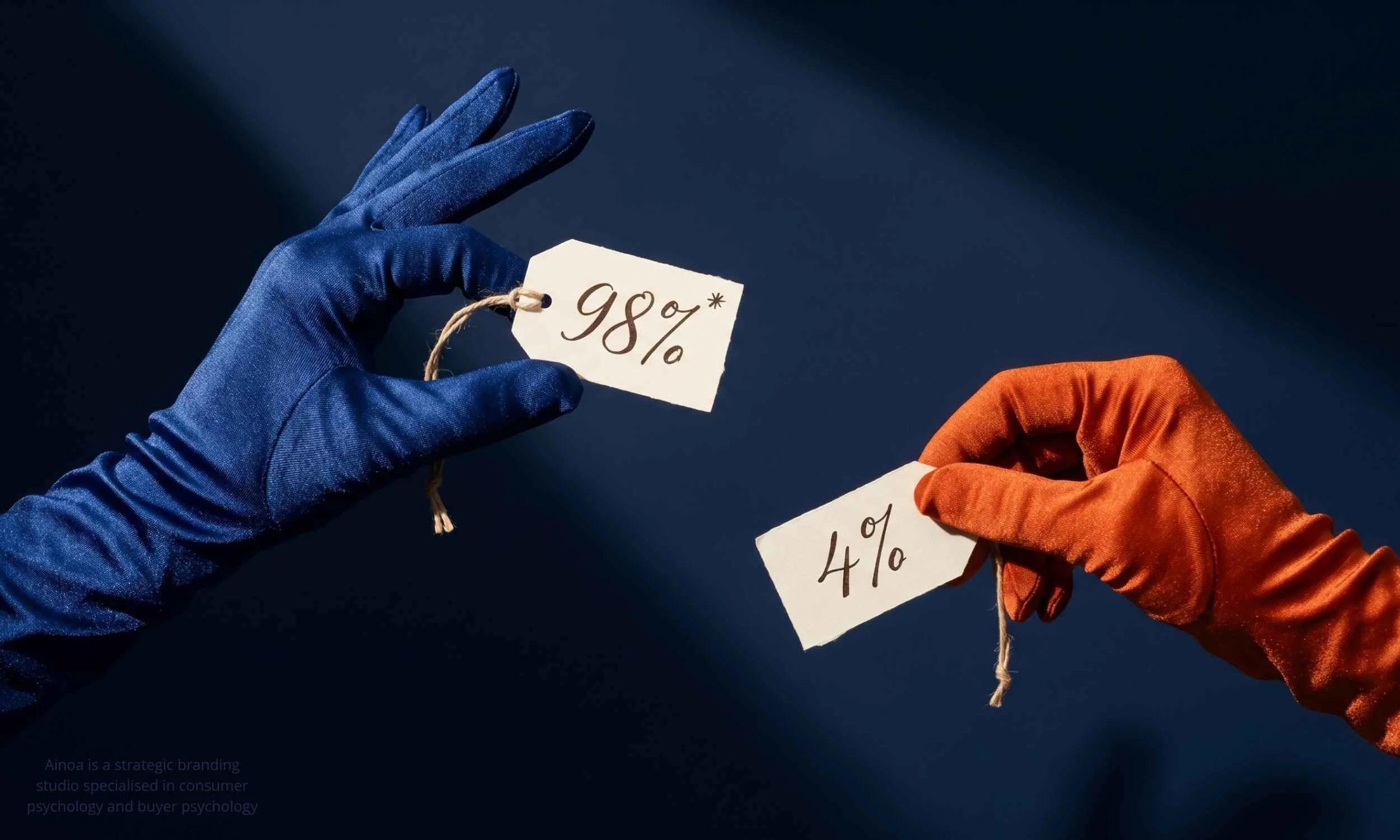
Brand Positioning: How Buyers Decide What You're Worth Before You Say a Word
The price a buyer is willing to pay is set before they see your price. The research on this is uncomfortable: a random number, seen once, moves real bids by a factor of three. First impressions don't just shape perception — they anchor it.
What did your brand teach your buyers to expect, the first time they found you?

The Art of Brand Storytelling and the Psychology Behind Stories That Sell
Humans have been telling stories for as long as there have been humans. The brain processes narrative differently from facts — with more activation, stronger memory, and more emotional engagement.
But are you familiar with the cognitive mechanisms behind storytelling? And why do some brand stories sell, and some just… don’t?

How to Apply Psychological Pricing Strategies in Your Business & How Price Perception Works
A price is never “just a number”. It is information the brain uses to assess quality, fairness, social status, and risk. Pricing also links more directly to your brand and messaging strategies than you realise. Pricing psychology research shows that how a price is presented, positioned, and framed changes what people are willing to pay — often significantly.
But how to apply the psychology of pricing strategically?

What Is Sensory Marketing and How to Create Unforgettable Brand Experiences for all senses
We all already know brands need to look good and speak to the right audience to make sales. But what does your brand smell like? What does it sound like? What does it feel like to hold? Sensory marketing is a marketing discipline of designing brand experiences for other senses than vision.
Research shows senses shape buying decisions more than most brands realise, but how do you sell for all senses?

The Psychology of Impulse Buying: What Triggers Unplanned Purchases and What It Means for Your Brand
Somewhere between entering a shop and reaching the till, a purchase decision gets made that wasn't planned. Impulse buying is one of the most studied phenomena in consumer psychology, and one of the most misunderstood.
But what actually triggers it in retail and ecommerce, and what does it mean for how brands are designed?

Golf Branding in 2026: How Modern Brands Are Leaving the Country Club Behind
Most golf brands look exactly like every other golf brand. Same lazy greens, same cream, same inherited boring prestige that only means something to the people who already play. The sport is changing faster than its visual language is, and the founders who understand that first will own a generation of customers.
What does a golf brand actually need to do differently in 2026, and why do so few of them bother?

Buyer Psychology: The Complete Guide to Understanding Why People Buy
Every customer who encounters your brand is running a psychological process that started before they were consciously aware of it. Buyer psychology maps that process — and understanding it is the difference between a brand that wins the sale once and one that earns the loyalty that follows.
Are you selling to who your buyer actually is, or who you assume them to be?

What Is Consumer Psychology? The Complete Guide for Brands and Marketers
Most purchase decisions are already made before your customer has consciously thought about them. The brain reaches for emotional shortcuts, social signals, and memory anchors — and the brands that understand this build loyalty that purely rational marketing never touches.
So why are most brands still designing for customers who don't exist?
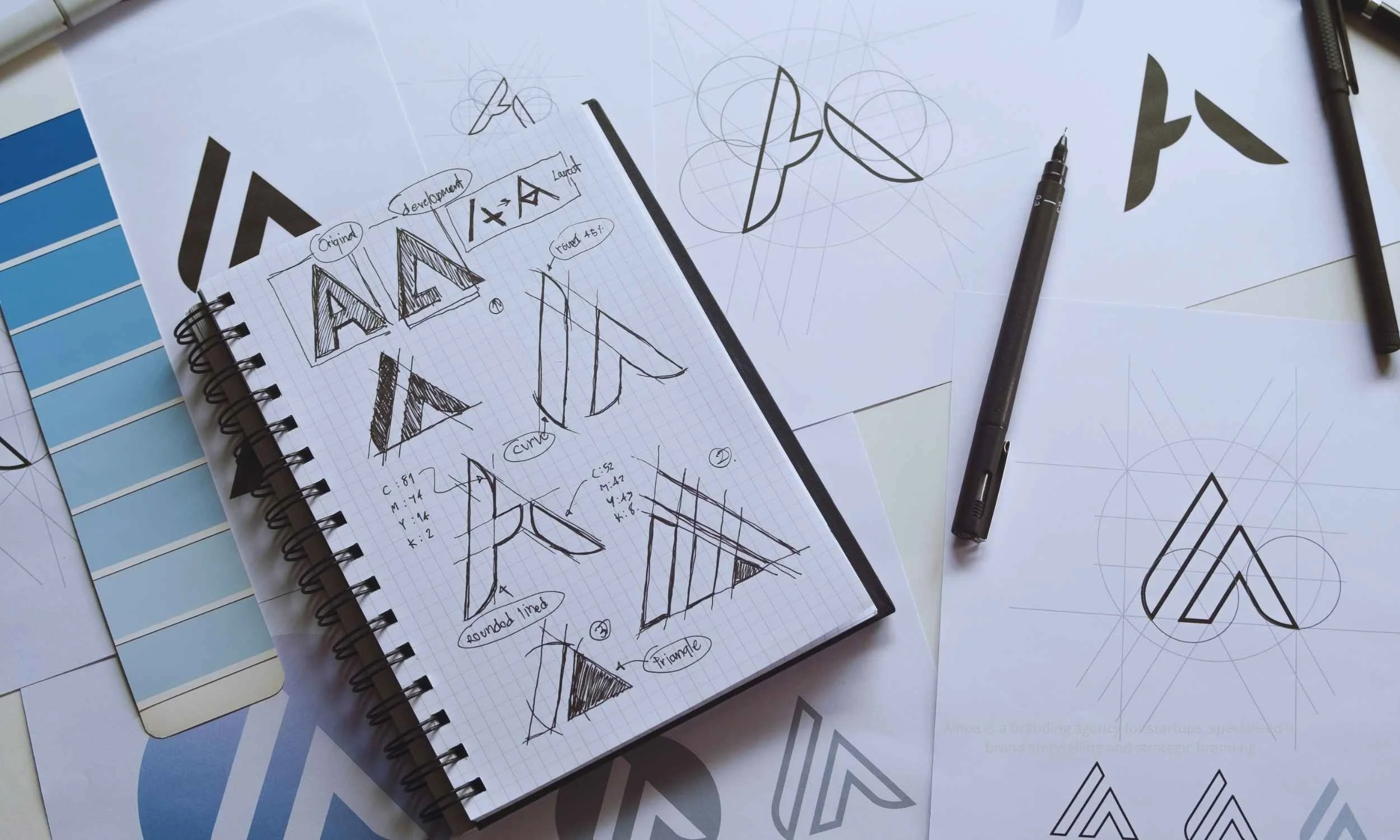
Branding for Startups: Why Your Logo Is the Last Thing You need
Most startup founders treat the logo as the starting point. It isn't. It's the last decision in a long chain of strategic ones that most startups struggle to make. The startups that come to us having already launched often share the same story: a patchwork identity, a drifted audience, and a funding pitch that couldn't communicate its own value clearly.
What does it actually cost to get branding wrong early — and when is it already too late to fix it cheaply?
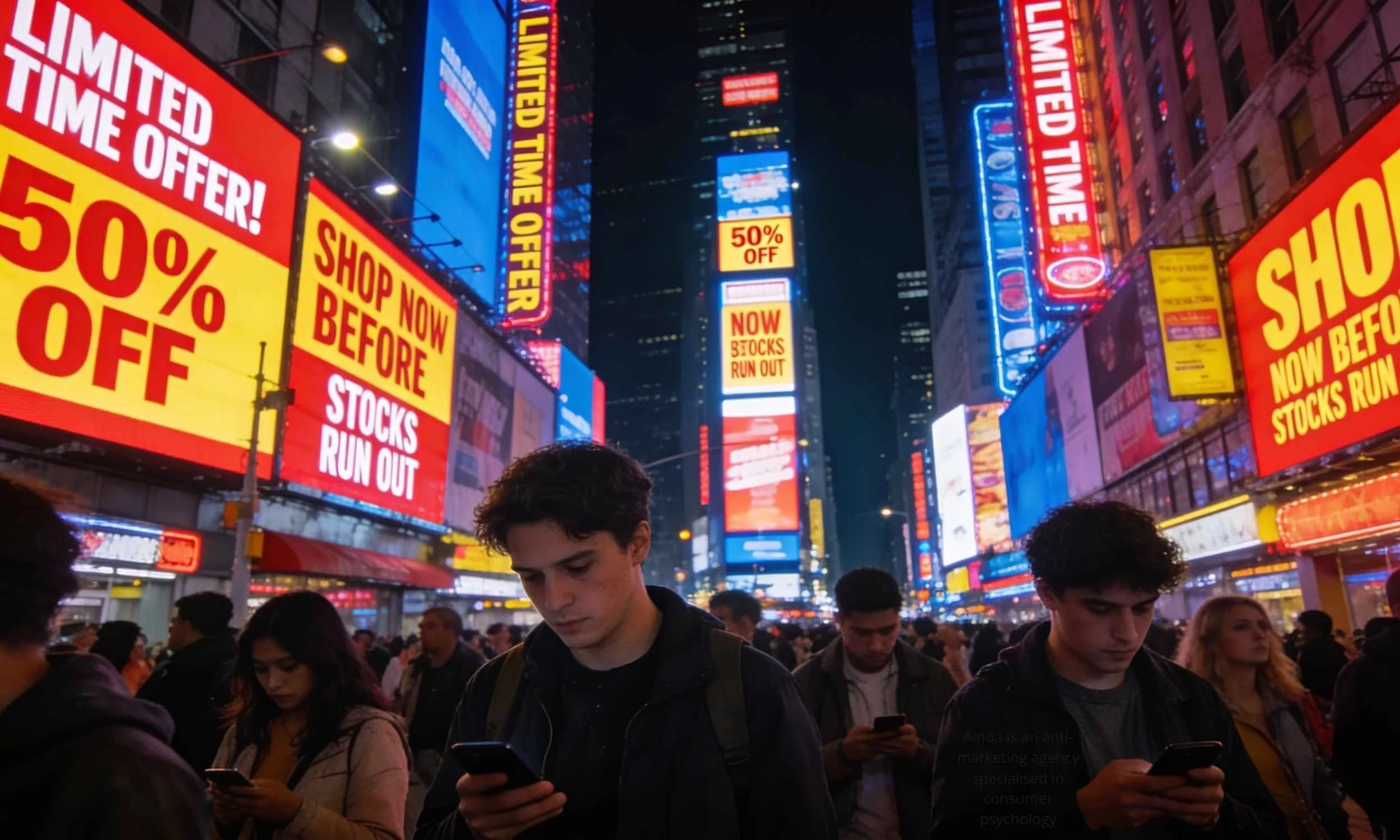
Anti-Marketing Explained: How Doing Less Sells More in 2026
We’ve been told louder marketing always wins more business. Yet in 2026’s AI-driven, zero-click world, aggressive ads breed exhaustion and scepticism. When Patagonia ran “Don’t buy this jacket”, and Lush quit social media, they didn’t lose customers—they gained trust.
What does it truly mean to win attention by refusing the usual marketing game and mastering anti-marketing instead?

Is Your Nordic Branding Actually Authentic? What Matters More Than the Aesthetics
Nordic branding is often reduced to minimalist aesthetics and Scandinavian-sounding names, but true authenticity runs much deeper. Rooted in transparency, sustainability, equality, and trust, authentic Nordic branding requires operational alignment, not just minimalistic visual cues or a “funky Nordic name”. This article explores what Nordic branding really means, why many brands get it wrong, and how cultural misalignment quietly erodes credibility.
Is your brand truly embodying Nordic values or only cosplaying them?

Leading with Purpose — Thoughts from the CEO: How Our Female Branding Agency Defies the Old Boys’ Club
My first taste of the advertising world came at 18, during an internship that shaped how I saw the industry — and how it saw me. What followed, across other workplaces, was a pattern I couldn’t ignore. I was always expected to do more, be more, and shrink myself at the same time. Eventually, I chose a different path. Ainoa was built by women, for everybody, to challenge outdated power structures and prove that empathy-led leadership works.
What would happen if women stopped adapting to broken systems — and started building new ones?

What Brands Get Wrong About Pantone’s Color of the Year 2026
Pantone’s first-ever white Color of the Year has sparked excitement, confusion, and cultural debate. Cloud Dancer isn’t just another trend shade, but it reflects our overstimulated world, shifting aesthetics, and the deeper psychological meaning of white in branding.
What should founders and brand leaders learn from the world’s most talked-about “non-colour”?