Branding 101: How to Build an Unforgettable Brand
Quick Summary
Logo isn’t your branding: Branding is not just your visuals alone; it’s the emotional and psychological connection you build with your audience through strategy.
Why branding matters: A strong brand fosters trust, drives customer loyalty, and allows your business to stand out from competitors.
Psychological foundations in branding: Understanding consumer psychology (like what motivates and connects people) is the heart of building an unforgettable brand.
Core elements of a strong brand: Defining your brand's mission, vision, and values provides its soul, guiding every decision and communication.
Audience first: Deeply understanding your target audience's needs, desires, and pain points is essential for creating resonance.
Differentiation: Analyzing competitors helps you to build a unique space within your target market and articulate what makes your brand truly special.
Storytelling & identity: Crafting a compelling brand story and a consistent visual identity (logo, colors, typography, illustrations, imagery etc) brings your brand to life.
Consistency is key: Every interaction, from your products and services to your customer service, must consistently reflect your brand promise.
Ongoing brand management: Branding is an ongoing process that requires continuous management and adaptation to remain relevant and strong.
When you think about the brands people obsess with, what comes to mind? Is it just their products or services, or is it something deeper? At Ainoa, we believe it’s that intangible connection, the feeling you get, the story you remember — that’s the power of branding. Building an unforgettable brand isn’t just about having a catchy logo or a clever slogan; it’s about crafting a meaningful connection with your audience.
For many startups and established businesses, we know from first-hand experience that the idea of strategic branding can feel overwhelming. The path to building a strong brand can seem complex, as it has multiple layers and steps. We’re here to simplify that journey for you, breaking down the art and science of branding into actionable steps, all rooted in a deep understanding of human behaviour. Let's explore how to build a strong brand that not only gets noticed but truly stays in the hearts and minds of your loyal customers.
Understanding the Core of Branding: Why Logo isn’t Your Brand
Many people think branding is simply about the visual elements: a logo, a color palette, or a cool website. While these are certainly crucial parts of a brand, they are only the tip of the iceberg. At its core, a brand is a promise. It's the sum total of every experience your customers have with your business, from their very first encounter to their ongoing loyalty. This promise creates a specific feeling and expectation.
Think about it this way: a brand exists in the mind of the consumer. It's the emotional and rational associations people form when they think about your company, your products or services, or even your employees. The truth is, a strong brand consists of many layers, much like a person’s personality. It's built on a foundation of values, purpose, and a distinct way of communicating.
For us at Ainoa, branding is about understanding those fundamental human drivers — our needs, our desires, our aspirations — and then carefully weaving them into the very fabric of a business. When we talk about branding, we’re talking about creating a cohesive, compelling, and consistent identity that resonates deeply with your target audience on a psychological level. It’s about building a reputation, an identity, and a lasting impression.
Why a Strong Brand Matters for Your Business
It’s no longer enough to have a good product or service; your business needs to stand out and build trust. This is where a strong brand becomes critical. Knowing that your branding efforts are strategically sound can bring immense certainty and save valuable time in the long term.
Here’s why a powerful brand is non-negotiable for success:
It Builds Trust and Credibility: People are more likely to buy from and stay loyal to brands they trust. A consistent and well-articulated brand builds trust and reliability, making your audience feel secure in their choice.
It Fosters Customer Loyalty: When customers connect with your brand on an emotional level, they become more than just buyers; they become advocates. They're more forgiving of occasional missteps and more likely to recommend you to others. This kind of loyalty creates a sustainable business model for your brand.
It Drives Differentiation: In a sea of competitors, your brand is what makes you unique. It highlights what sets you apart and why customers should choose you over anyone else. This clear differentiation helps you avoid being seen as a commodity, where price is the only deciding factor.
It Supports Premium Pricing: When your brand is perceived as high-quality, trustworthy, and desirable, customers are often willing to pay more for your products or services. This is not about being expensive for the sake of it, but about reflecting the perceived value and unique experience your brand offers.
It Attracts Top Talent: A business with a clear purpose and a positive brand image is more attractive to potential employees. A strong brand doesn't just attract customers; it attracts people who believe in what you do, fostering a stronger internal culture.
Ultimately, a strong brand acts as a valuable asset for your business. It reduces marketing costs over time because people already know and trust you, and it provides a clear roadmap for all your business decisions, ensuring everything you do reinforces your core identity.

If visual brand identity is built correctly, the brand colors are also picked based on what resonates with the audience. A tea brand used in the cover photo is imagined by AI.
The Psychological Foundations of an Unforgettable Brand
At Ainoa, our entire approach is rooted in consumer psychology. We know that humans are not purely rational beings; emotions play a massive role in our decisions, especially when it comes to what we buy and which businesses we support. Understanding these psychological triggers is the secret to building an unforgettable brand.
Think about the feeling you get when you interact with your favourite brand. Is it excitement, comfort, reliability, or perhaps a sense of belonging? These aren't accidental. They are carefully cultivated through strategic branding that understands universal human needs and desires. We're not just selling products or services; we're selling solutions to problems, aspirations, and identities.
Consider the concept of brand personalities. Just like people, brands can be seen as having distinct personalities – perhaps adventurous, sophisticated, rebellious, or nurturing. When your brand's personality aligns with your target audience's self-perception or aspiration, that's where the magic happens. People don't just buy a product; they buy into a lifestyle, a feeling, or an identity that your brand embodies. This alignment creates a deeper, subconscious connection, making your brand feel familiar and trustworthy, almost like a good friend. Research shows that brands seen as authentic can foster deeper relationships with consumers and build stronger loyalty.
Step 1. Your Brand's Soul: Mission, Vision, and Values
Before you even think about logos or colors, you need to build the very heart of your business. This is about defining your “why.” Your mission, vision, and values are the foundational elements that guide every single decision you make, both internally and externally. They are the base of your entire brand strategy.
Mission Statement: This is your business's purpose, its reason for existence right now. What problem do you solve? Who do you serve? What impact do you aim to make today? For instance, if your business sells sustainable packaging, your mission might be “To provide eco-friendly packaging solutions that help businesses reduce their environmental footprint and appeal to conscious consumers.”
Vision Statement: This is your aspirational future, what you want to achieve in the long term. Where do you see your business in 5, 10, or 20 years? What world do you want to help create? Using the packaging example, a vision could be “To be the leading innovator in sustainable packaging, driving a global shift towards a circular economy.”
Values: These are the guiding principles and beliefs that dictate your business's behaviour and culture. What do you stand for? What's truly important to you as a company? Honesty, innovation, customer-centricity, sustainability, community — these values inform how you operate and interact with the world. A study published in the Cogent Business & Management indicated that consumers are more likely to develop stronger relationships with brands that share their values, leading to increased purchase intent and advocacy.
Defining these core elements requires introspection and often, an outside perspective. We work with businesses to dig deep, challenging assumptions and clarifying these fundamental truths. Without them, your branding efforts will lack authenticity and direction, making it nearly impossible to create a brand that truly resonates.
Step 2. Know Your People: Understanding Your Target Audience
You can have the most brilliant mission and values, but if you don't know who you're talking to, your message will fall flat. Understanding your target audience isn't just about demographics (age, location, income); it's about getting into their heads. Who are they, really? What are their dreams, fears, challenges, and aspirations?
At Ainoa, we dig deeper than surface-level data to uncover the motivations that drive your potential customers. This involves:
Psychographics: What are their lifestyles, values, interests, and personality traits? Are they early adopters, value-seekers, or status-conscious?
Pain Points: What problems do they face that your products or services can solve? What keeps them up at night?
Aspirations: What do they hope to achieve? What kind of person do they aspire to be? How can your brand help them get there?
Behavioural Patterns: How do they research products? Where do they spend their time online? What influences their purchasing decisions?
For example, when we helped Apex Pro create a brand, understanding their target audience — the younger generation of golfers who had completely different reasons to play compared to older golfers in the first place — was crucial. This understanding informed every aspect of their brand strategy, messaging and visual identity.
By creating detailed buyer personas, you gain an empathetic understanding of your audience. This insight allows you to create a brand message that speaks directly to their needs and desires, making them feel seen, heard, and understood. When you truly connect with someone on this level, you begin to create a brand that feels tailor-made for them.
Step 3. Stand Out from the Crowd: Competitor Research and Differentiation
Once you know yourself (your brand's soul) and your audience (your people), the next step is to understand the landscape you're operating in. Who else is trying to capture your audience's attention? What are they doing well, and where are their weaknesses? Competitor research isn't about copying; it's about finding your unique space.
We analyse your competitors to identify gaps in the market, opportunities and potential pitfalls to avoid. This involves looking at:
Their messaging and positioning: How do they talk about themselves? What promises do they make?
Their visual identity: What do their logos, colours, and overall aesthetics communicate?
Their customer experience: What are customers saying about them online? What are their strengths and weaknesses in customer service?
Their unique value proposition: What makes them stand out?
The goal is to pinpoint what makes your business genuinely different and better for your specific target audience. This differentiation needs to be clear, compelling, and consistent. It’s about crafting a unique selling proposition (USP) that highlights the specific benefits you offer that no one else does, or does in quite the same way.
For instance, with Termoli place branding, our work involved understanding what made Termoli unique as a travel destination compared to other Italian coastal towns. This helped us highlight its distinct charm and cultural richness, creating a timeless and scalable brand.
This strategic analysis is critical to create a brand that isn't just another voice in the choir, but a compelling solo that captures attention and loyalty.

Visual identity we built for Apex Pro was built on strategic insights and made to resonate with a certain target audience.
Crafting Your Brand's Voice and Visual Story
With your strategic foundation firmly in place, it’s time to bring your brand to life through its personality, story, and visual identity. This is where the abstract concepts become real, creating the memorable touchpoints that customers interact with.
Step 4. How to Build Brand Personality and Brand Story
Your brand's personality is how it sounds, acts, and behaves. It’s the characteristics you imbue your brand with to make it relatable and engaging. Is your brand playful, serious, sophisticated, innovative, or approachable? This personality should be consistent across all communications, from your website copy to your social media posts to how your customer service team speaks.
Alongside personality, a compelling brand story is incredibly powerful. Humans are wired for stories; they help us make sense of the world, remember information, and form emotional connections. Your brand story isn't just a history lesson about your company; it's a narrative that explains your origin, your challenges, your aspirations, and how you help your customers transform.
We help businesses with their brand storytelling, building brand stories that:
Are authentic: They ring true to who you are as a business.
Are relatable: They tap into universal human experiences or problems.
Are inspiring: They show how your brand makes a positive impact.
Position the customer as the hero: Your brand is the guide, empowering the customer to achieve their goals.
Developing a clear tone of voice that reflects your brand personality and story is also essential. This guides all written and spoken communications, ensuring a consistent brand image. For example, a brand selling high-end skincare might adopt an authoritative, reassuring, and sophisticated tone, while a brand selling children's toys might use a playful, warm, and imaginative tone. This consistent voice builds familiarity and trust over time.
Step 5. How to Design a Brand Identity
Once you've defined your brand's personality and story, the next step is to translate these into a compelling visual brand identity. This is where the logo, colors, typography, and imagery come together to create a distinctive and memorable look and feel. These brand assets are the visual shorthand for everything your brand represents.
A well-designed visual identity does much more than just look good, it communicates your brand's values, personality, and professionalism at a glance. It creates an immediate impression and helps differentiate you visually from competitors.
Our visual brand identity services focus on creating elements that are:
Strategic: Every design choice is intentional and supports your overall brand strategy on the long-term.
Distinctive: Your visual identity helps you stand out and be easily recognisable.
Cohesive: All elements work together harmoniously across various marketing materials.
Memorable: It leaves a lasting impression on your audience.
Consider the enduring power of the Coca-Cola brand. Their iconic red, unique script logo, and distinctive bottle shape are instantly recognisable worldwide, communicating a sense of timeless joy and refreshment. This visual consistency, maintained for decades, has been a cornerstone of their successful branding efforts.
This visual language needs to be consistently applied across all brand collateral — your website, packaging, social media profiles, business cards, advertisements, and even internal documents. Inconsistency can erode trust and dilute your brand's impact. That's why we develop comprehensive brand guidelines that serve as a rulebook for how your brand should be presented visually, ensuring that every touchpoint reinforces your core identity.
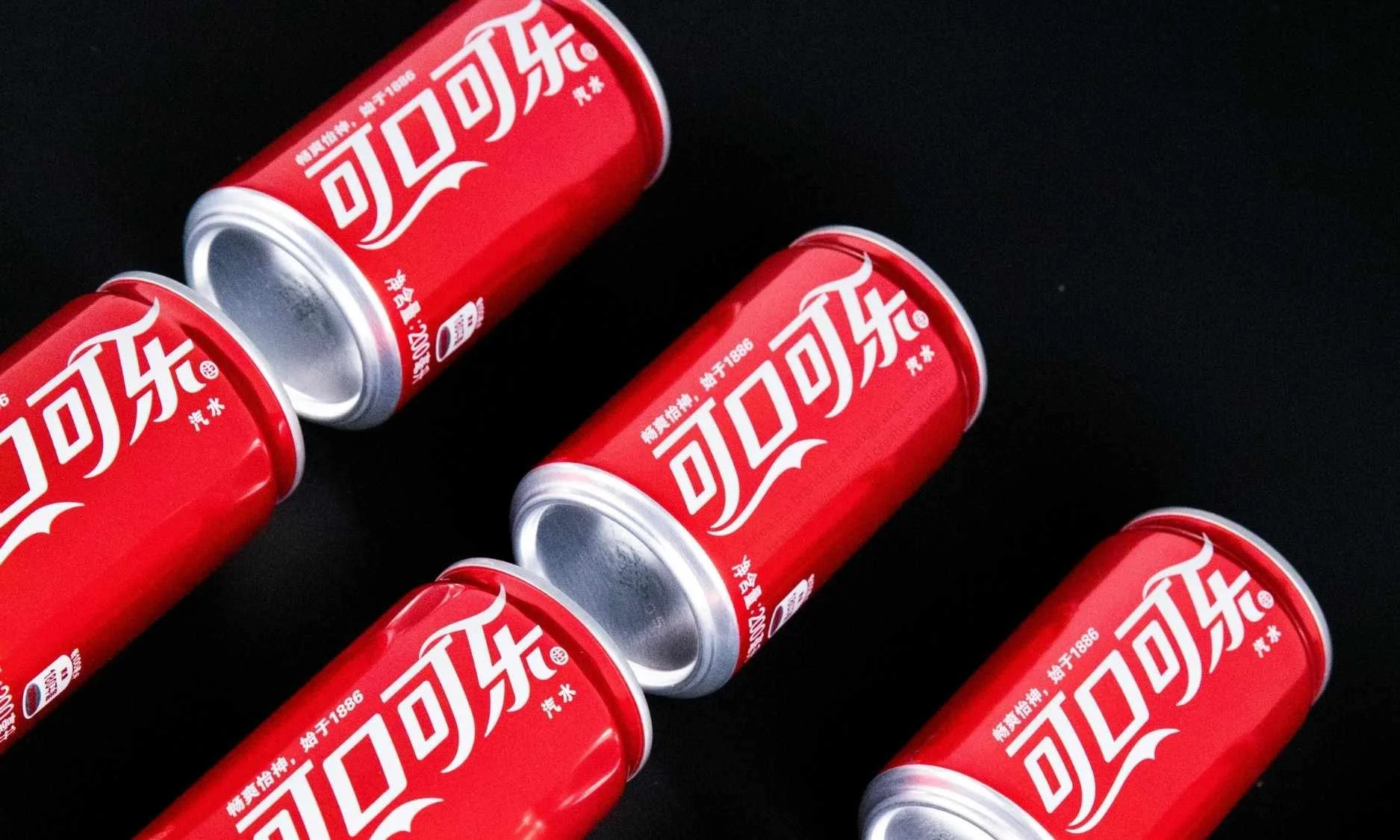
Brand must be able to adapt to different markets and it must stay recognisable regardless of the market.
Bringing Your Brand to Life: Consistency and Experience
A great brand strategy and stunning visual identity are only effective if they are consistently brought to life across every single interaction your customers have with your business. This is where your brand promise is either delivered or broken.
Step 6. Delivering on Your Brand Promise: Products, Services, and Customer Service
Your brand isn't just what you say you are; it's what you do. The actual products or services you offer must live up to the expectations your branding has set. If your brand promises innovation, then your offerings should reflect that. If it promises reliability, then your products need to be dependable. There's a psychological contract formed with your customers, and consistently fulfilling that contract builds profound loyalty.
Crucially, every single interaction with your business contributes to your brand image. This includes:
The Quality of Your Products or Services: Are they consistently excellent and do they solve the customer's problem effectively?
Your Customer Service: Is it responsive, empathetic, and helpful? Does it reflect your brand's personality and values? A positive customer service experience can solidify loyalty, while a negative one can quickly damage your brand's reputation. Research from PwC shows that 73% of customers say experience is an important factor in their purchasing decisions, indicating the critical role of strong customer service.
Your Website and Digital Presence: Is it easy to navigate, aesthetically pleasing, and consistent with your brand?
Your Physical Space (if applicable): Does your store or office environment reflect your brand's personality and values?
This level of consistency requires internal alignment. Every member of your team, from sales to marketing to operations, needs to understand and embody the brand. This is why developing strong internal brand guidelines and fostering a brand-centric company culture is just as important as external branding efforts. For example, our work with Golf Branding for a Startup involved not only creating an external brand but also ensuring the new golf experience would consistently deliver on the brand promise of modern luxury and innovation.
Step 7. Managing Your Brand's Journey: The Importance of Brand Management
Building an unforgettable brand isn't a one-time project; it's an ongoing journey. The market evolves, customer preferences shift, and new competitors emerge. Effective brand management is about continuously nurturing, protecting, and evolving your brand to ensure its long-term relevance and success.
This involves:
Monitoring Brand Health: Regularly assessing how your audience perceives your brand. Are you still resonating with them? Are your messages cutting through the noise?
Adapting and Innovating: Being open to evolving your brand strategy and messaging in response to market changes without losing your core identity.
Protecting Your Brand Assets: Safeguarding your trademarks, logos, and other intellectual property.
Ensuring Consistency: Regularly reviewing all marketing materials and customer touchpoints to ensure they adhere to your brand guidelines.
Internal Alignment: Continuously engaging employees and stakeholders to ensure they are ambassadors for your brand.
Again, think of iconic brands like Coca-Cola. While their core identity has remained steadfast for over a century, they have consistently adapted their marketing, messaging, and product offerings to remain relevant to new generations and changing consumer tastes. This proactive and continuous brand management is key to their enduring success.
At Ainoa, we see branding as a living, breathing entity that needs careful attention. We partner with businesses not just to launch a brand, but to help them manage its journey, ensuring it grows, thrives, and continues to connect with its audience for years to come.

A strong brand is a financial asset, not a decoration. Good branding is in the heart of everything your company does.
The Ainoa Approach: Psychology-Driven Branding for Lasting Impact
We’ve seen firsthand how a deep understanding of consumer psychology transforms businesses. We don't create pretty logos that are just expensive decoration; we craft strategic brand experiences that tap into the human mind, forging connections that last. Our expertise in consumer behaviour science, strategic brand storytelling, and thoughtful design means we deliver more than just branding services; we deliver certainty, clarity, and a powerful competitive edge for your business.
We know you're looking for an agency that understands your needs, to save time, reduce risk, and access an expertise you may not have in-house. That's precisely what we offer, from strategic branding for new businesses to comprehensive rebranding and brand refresh services for established companies. Our approach is always tailored, insight-driven, and focused on delivering tangible, long-term results. We believe in building brands that are not only memorable but also meaningful, driving both emotional connection and commercial success. You can see the impact of our psychology-first approach in our case studies here.
Let’s Make Your Brand Unforgettable
Building a brand is a journey of discovery, strategy, and consistent execution. It’s about understanding the psychological drivers that connect people to businesses, and then weaving those insights into every facet of your brand. It requires more than just a quick facelift, it demands an analytical look into your business's soul, your audience's heart, and the competitive landscape.
At Ainoa, we’re passionate about helping businesses like yours uncover their unique identity and build brands that don't just exist but truly resonate. We believe that when you combine strategic depth with a genuine understanding of human psychology, you create something truly powerful, a brand that stands the test of time, inspires loyalty, and achieves remarkable success.
If you're ready to unlock the full potential of your business and build an unforgettable brand that connects deeply with your audience, we’re here to guide you every step of the way.
Explore how our psychology-driven branding services can transform your business. Discover our full range of strategic branding services here.
Get more updates from Ainoa in your Google News feed.
Articles on our blog may contain content drafted with the assistance of AI tools, always reviewed and polished by Ainoa's team.